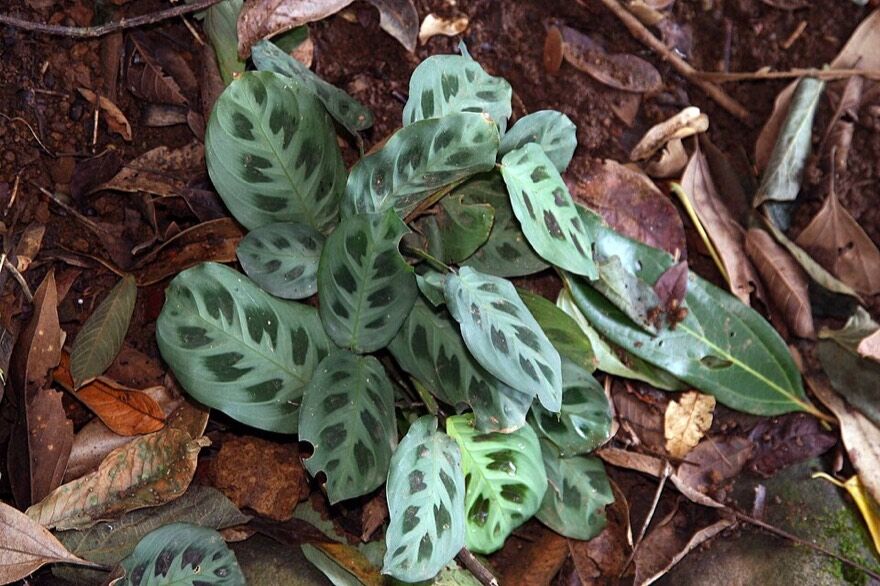

Is my houseplant sick?
Not every ugly leaf is a rare disease. Most indoor “mystery decline” is water, light, or a recent move. Use a calm checklist: environment first, then pests, then disease — and photograph what you see so you can track change.
Rule out the everyday causes
Feel the soil. Soft yellow leaves on wet mix usually mean overwatering, not a virus. Crispy edges on bone-dry mix usually mean thirst or very dry air. Fix that before you assume the plant is “infected.”
Check light and drafts. A plant pushed against cold glass, blasted by a heater, or left in a dark corner often looks sick when it is simply unhappy. See how much light houseplants need and how often to water indoor plants if those fundamentals are shaky.
One or two older bottom leaves yellowing while new growth looks fine is often normal aging. Sudden yellowing across many leaves at once points to environment or roots, not a missing micronutrient powder.
Ask what changed last week: repot, move, vacation watering, new fertilizer, or a cold night by an open window. Timing beats panic googling.
Look for pests on purpose
Flip leaves and check stems, new growth, and the soil surface. Sticky residue, fine webbing, cottony fluff, or clouds of tiny flies when you water are pest clues — not “dust.”
Isolate a clearly infested plant from the shelf so problems do not commute. Wipe hard leaves, rinse what you can in a sink, and repeat on a schedule; one wipe rarely ends an infestation.
Fungus gnats often mean soil that stays wet. Letting the top dry more and avoiding swampy saucers helps more than buying every spray on the shelf.
If you cannot tell pest damage from disease spots, take clear daylight photos of the whole plant and a close leaf — both sides — before you treat anything.
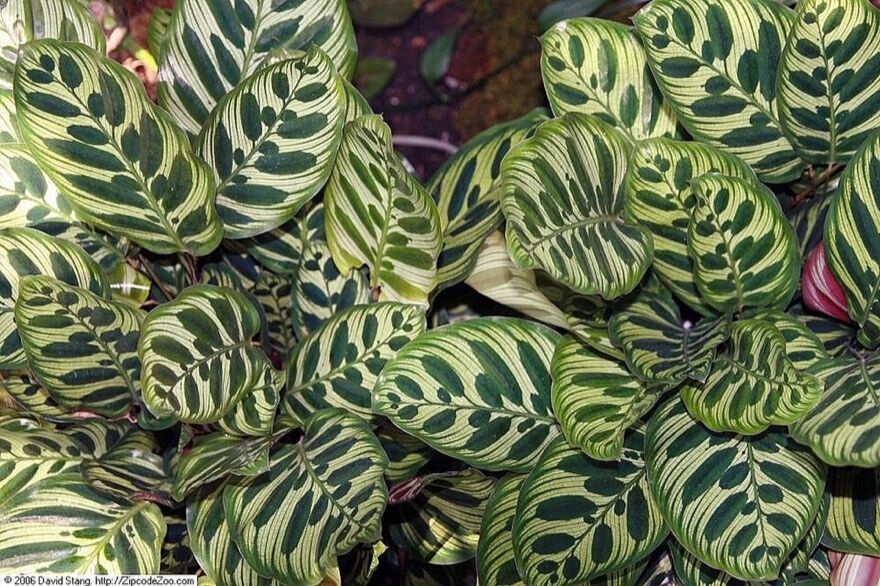
Photo by David J. Stang · CC BY-SA 4.0

When spots and soft stems need a closer look
Soft black stems at the soil line, foul-smelling mix, or mushy roots after you unpot point to rot from wet conditions. Cut away dead tissue only if you know what you are doing; often the first fix is drying out and improving drainage.
Distinct spots, rings, or spreading lesions on otherwise well-watered plants may be fungal or bacterial. Avoid misting those leaves, improve airflow, and remove the worst leaves with clean tools.
Planti’s disease identification helps you compare what you photographed with common issues. Use it as a second opinion after you have checked soil and light — not as a reason to skip the basics.
Track how the plant looks after you change care with plant health tracking. A photo a week apart beats memory when you are deciding whether the problem is spreading or settling.
Act calmly — then wait
Change one major variable at a time when you can: water habit, light, or isolation. Throwing fertilizer, five sprays, and a new pot at the same plant makes it impossible to learn what worked.
Trim clearly dead leaves so you can see new growth. Do not strip a plant bare out of fear — leave anything still partly green unless it is clearly diseased and spreading.
Yellow leaves alone have a dedicated walkthrough in why leaves turn yellow. Use that when color is the main symptom and soil is the first suspect.
Save the plant in your plant collection with notes on what you tried. Download Planti on iOS or Android when you want disease checks and care history in one place.