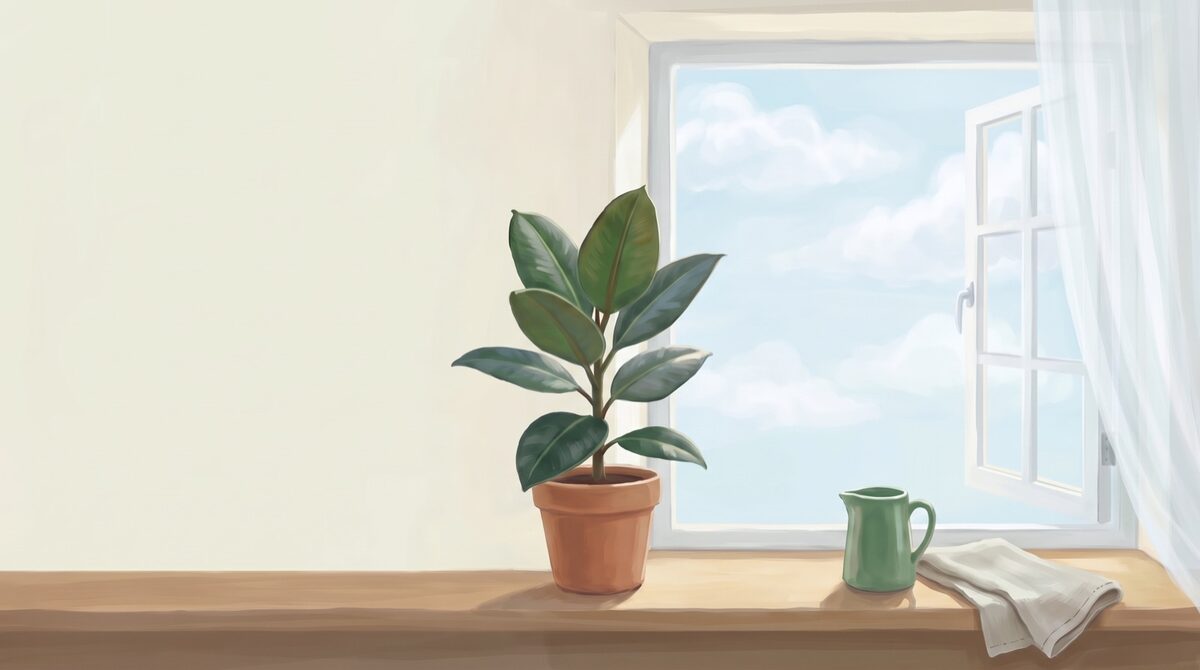
How much light do houseplants need?
Most indoor plant problems that look like “bad watering” start with the wrong light. Match the species to the brightest honest spot you have — then water for that spot, not for a care sticker written in a greenhouse.
Name the light you actually have
Bright indirect light means near a window where the plant sees sky and daylight, but harsh midday sun does not sit on the leaves for hours. Many tropical foliage plants — monsteras, pothos, philodendrons — thrive there.
Direct sun is unfiltered light on the sill, especially south or west exposures. Succulents, cacti, and many herbs want that intensity. Thin tropical leaves often bleach or crisp in the same spot.
Low light is a wall across the room, a hallway, or a north window that never feels bright. A short list of plants tolerate it; most only survive for a while, then stretch and stall. “Low light” on a label is not permission to put a sun-lover in a dark corner.
East windows give softer morning sun. West and south are stronger. Curtains, balconies, trees outside, and neighboring buildings can turn a “south window” into something much milder — trust what the room feels like at noon, not only the compass.
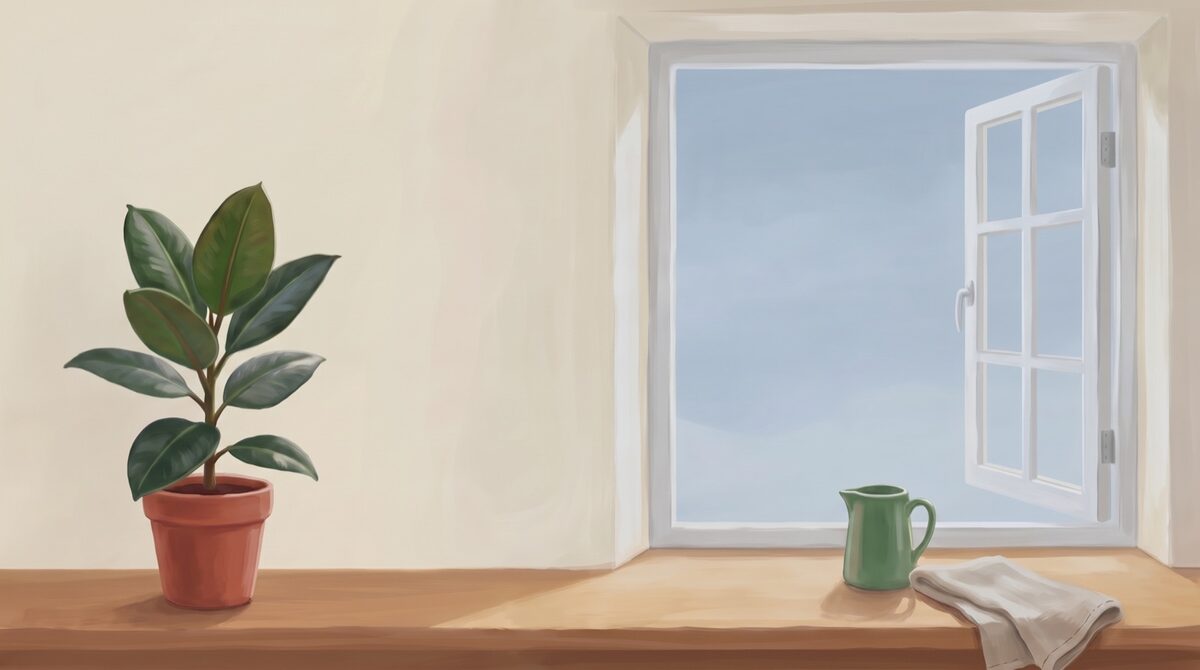
What the plant is telling you
Too little light: long gaps between leaves, pale new growth, leaning hard toward the window, and soil that stays wet for ages because the plant is barely drinking.
Too much harsh light: bleached patches, crispy brown sun scorch, and leaves that curl away from the glass. Move back a little or add a sheer curtain before you rewrite the watering schedule.
Variegated plants usually need more light than their all-green cousins to keep the pattern. In dim rooms they often revert toward green or stall.
Rotate the pot a quarter turn every week or two so one side does not become the permanent “window face.” Dust leaves so they can use the light they get.
Check the spot, then place the plant
Before you buy (or before you rearrange the whole shelf), stand where the pot will live at the brightest part of the day. If you need a lamp to read comfortably, most houseplants will struggle there long term.
Planti’s the light meter helps you compare spots in the same home so “bright” means something concrete, not a guess from memory. Measure a few places — sill, side table, far wall — then pick species that fit the best honest reading.
When you add a plant from plant identification or browse the the species database, read the light range as a starting band. Your curtains and latitude still win over a generic chart.
Grow lights help in winter or windowless rooms. They are optional if you choose plants for the daylight you already have and accept that some rooms are for snake plants, not sun-loving figs.
Light changes watering and seasons
More light usually means the plant grows and drinks faster. The same pot on a bright sill may need water twice as often as it did in a dim corner. See how often to water indoor plants when you want the full watering walkthrough.
Winter light is weaker even if the plant never moves. Expect slower growth and longer gaps between waterings unless you add supplemental light.
If you move a plant into much stronger light, do it gradually over a week or two when you can. Sudden full sun after months indoors is a common way to scorch leaves.
Start with light, then water, then fertilizer. Feeding a plant that is starving for daylight rarely fixes the look you want.
Keep light decisions with the plant
Save each plant in your plant collection with a room or spot name that matches where it actually lives. When something yellows later, you will remember whether it sat on the sill or behind the sofa.
If you share care in a shared household, everyone sees the same placement notes — useful when someone “helps” by moving pots into the darkest corner for aesthetics.
Download Planti on iOS or Android to check light, attach care to each plant, and stop guessing which window is bright enough.