How often should I water indoor plants?
There is no universal “every Sunday” answer. Most houseplants need water when the top of the soil has dried — and that timing changes with light, pot size, mix, and season. Use the checks below until each plant’s rhythm feels obvious.
Water the plant, not the calendar
A thirsty fern and a drought-happy snake plant do not share a schedule. Watering every seven days is a habit that overwaters some pots and underwater others.
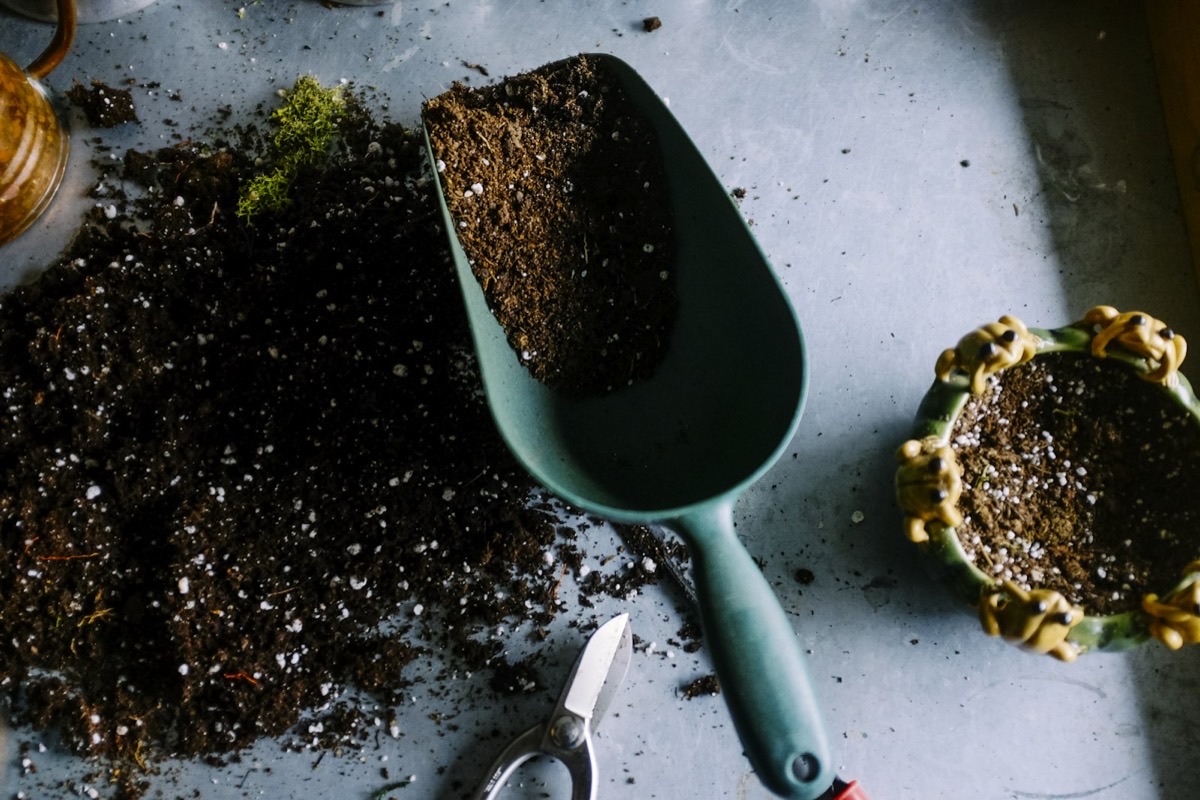
Check the soil first. Push a finger about two centimeters down (deeper for large pots), or lift the pot — dry mix feels light compared with a freshly watered one. If the surface is still damp or cool, wait. If it is dry and crumbly, and the plant looks soft or dull, it is time.
Moisture meters can help in deep pots where your finger cannot reach, but they are optional. Your finger, the pot’s weight, and how the plant looks last week versus today are enough for most homes.
Empty the saucer after a few minutes so roots are not sitting in standing water. That single habit prevents more yellow leaves than any fancy fertilizer.
How much water — and how to pour
When you water, water thoroughly. Slow pours around the surface until water runs from the drainage holes, then stop. A light splash that only wets the top centimeter trains roots to stay shallow and leaves the bottom dry.
If water races straight through and the mix still looks dry, the soil may be hydrophobic from sitting bone-dry. Soak the pot in a sink or basin for 10–15 minutes, let it drain fully, then return to a normal deep-water-and-drain routine next time.
Room-temperature water is kinder than icy tap water. Softened water can leave salts in the mix over time; if leaves show white crust on the soil, flush the pot thoroughly once in a while or switch to filtered or rainwater when you can.
Pots need drainage holes. Cachepots and decorative covers are fine — keep the plant in a nursery pot inside, water it, drain it, then put it back. Sealed pots without drainage are where most “I watered on schedule” disasters start.
What changes the timing
Bright windows dry soil faster than shady corners. Small pots dry sooner than large ones. Airy, chunky mixes dry faster than dense peat. Summer growth usually means more frequent watering; winter rest often means less.
Air conditioning, heaters, and open windows matter too. The same monstera may need water twice as often in July as in January even if you never move the pot. A plant on a sunny sill next to a radiator is on a different clock from one in a cool hallway.
New plants and freshly repotted ones often drink differently for a few weeks while roots settle. After repotting into a larger pot, expect longer gaps between waterings — there is simply more mix to dry out.
When you add a plant from plant identification or the the species database, use the species care notes as a starting range — then watch your own room. Your home beats a generic chart.
Different plants, different thirst
Succulents, snake plants, ZZ plants, and many cacti prefer the mix to dry deeper between drinks. Water less often, and only when the pot feels light and the soil is dry well below the surface.
Tropical foliage plants — monsteras, pothos, philodendrons, calatheas — usually like the top few centimeters dry, not the whole pot bone-dry. Ferns and peace lilies often want moisture more consistently; they wilt dramatically when late, then bounce back after a thorough soak.
Flowering plants and herbs on a bright sill can dry out in a few days in summer. Outdoor balcony pots in wind dry even faster than indoor ones of the same size.
If you are not sure what you own, identify it first, then set expectations from the species. Guessing “it’s a green leaf plant” is how people water a cactus like a fern.
Signs you are watering too often — or not enough
Overwatering is the most common indoor mistake. Soft yellow leaves, a sour or musty smell from the soil, fungus gnats, and mushy stems usually mean the mix stays wet too long — not that the plant needs more water tomorrow.
Underwatering shows as dry, crispy leaf edges, soil pulling away from the pot wall, and leaves that feel thin or papery. A deep soak (or a basin soak if the mix has gone hydrophobic) fixes most cases; then shorten the gap a little next time.
Yellow leaves have more than one cause. If the soil is already wet, do not add more water — check light, age of the leaf, and pests instead. Our guide on why leaves turn yellow walks through what to check first.
When in doubt, wait a day and check again. It is easier to revive a slightly dry plant than one whose roots have been sitting in wet mix for a week.
Make it easy to remember
Once you learn a plant’s rhythm, watering reminders can nudge you on that plant’s schedule instead of a shared “water everything” day. Adjust the interval when seasons change — summer reminders often need to fire sooner than winter ones.
Keep plants in your plant collection with photos and spots so you are not guessing which pot is which when the reminder fires. If someone else helps, share the household so the next watering is not a mystery.
Treat reminders as a check-in, not a command. When one fires, still touch the soil. Skip if it is wet; water if it is dry. Over a month or two you will tune each plant’s interval so the nudge matches reality.
Download Planti on iOS or Android if you want care suggestions that stay attached to each plant — free to start, with optional premium for larger collections.