
Why are my plant’s leaves turning yellow?
Yellow leaves are a symptom, not a diagnosis. Start with watering and light — those two cause most indoor problems — then look at age, pests, and disease before you rewrite every care habit at once.
Start with watering and drainage
Overwatering is the most common reason for yellow leaves indoors. Soil that stays wet starves roots of air; leaves turn yellow, then soft or brown, sometimes with a musty smell from the pot.
Feel the soil before you water again. If it is still wet, wait. Confirm the pot has a drainage hole and that the saucer is not holding a lake after you water.
Underwatering can also yellow leaves, but they often crisp at the edges first. Drooping that recovers after a deep water points to thirst, not swampy roots.
If the mix is hydrophobic and water runs straight through, soak the pot in a basin, drain fully, then return to thorough waterings spaced by real dryness. See how often to water indoor plants for the fuller watering guide.
Light, age, and the lower leaves
Too little light slows growth and can yellow older leaves. Too much harsh sun can bleach or scorch. Match the plant to a brighter or softer spot rather than spinning fertilizers first — how much light houseplants need covers how to name the light you have.
Many plants shed a few older bottom leaves as they grow. One or two yellow leaves while new growth looks healthy is often normal aging, not a crisis.
Sudden yellowing across many leaves at once usually means environment — water, cold draft, low light after a move, or a heat blast — not a missing micronutrient.
New plants often drop a leaf or two while they settle. Give them stable light and careful watering for a few weeks before assuming disease.
Patterns that narrow the cause
Yellow with soft, mushy stems near the soil line points hard at rot from wet conditions. Yellow with dry, crispy tips leans drought or very dry air.
Yellow only on the side facing the window can be sun stress; yellow on the shadowed side with stretchy growth leans low light overall.
Interveinal yellowing (green veins, yellow between) sometimes means nutrient issues — but indoors, water and light still deserve first place. Feed lightly in the growing season only after the plant is otherwise stable.
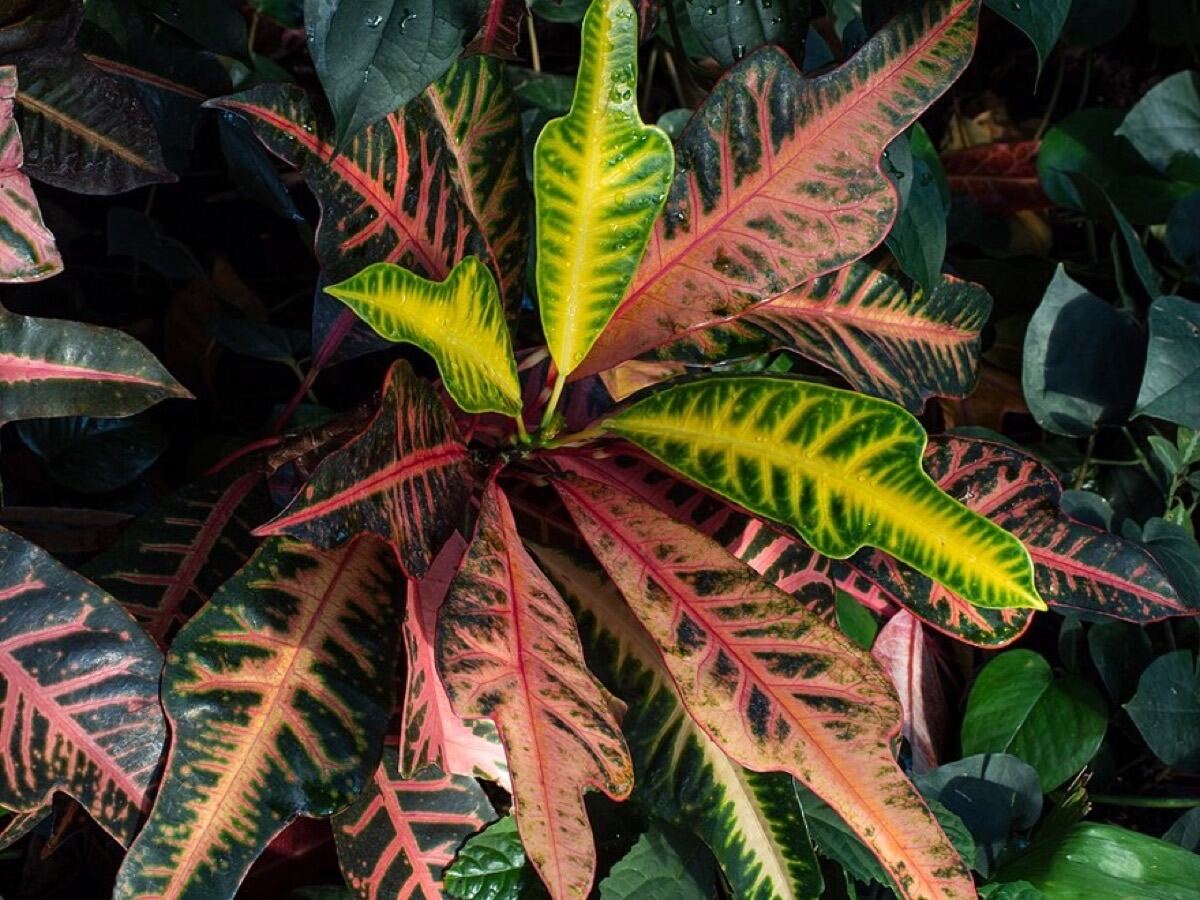
Variegated plants naturally show cream or yellow areas. New damage looks different from the plant’s normal pattern — compare to a healthy leaf on the same plant.
When to look closer
Check undersides of leaves for pests, sticky residue, or webbing. Spots, rings, or mushy stems may need a closer look with disease identification or a plant health tracking check-in so you track what changes after you adjust care.
If the whole plant is declining and soil and light seem fine, walk through is my houseplant sick for a calmer pest-and-disease checklist.
Trim clearly dead leaves so you can see new growth. Do not strip a plant bare out of panic — fix the cause, then give it time.
Log what you changed in Planti so you are not repeating the same guess next month. Download the app on iOS or Android when you want that history in one place.