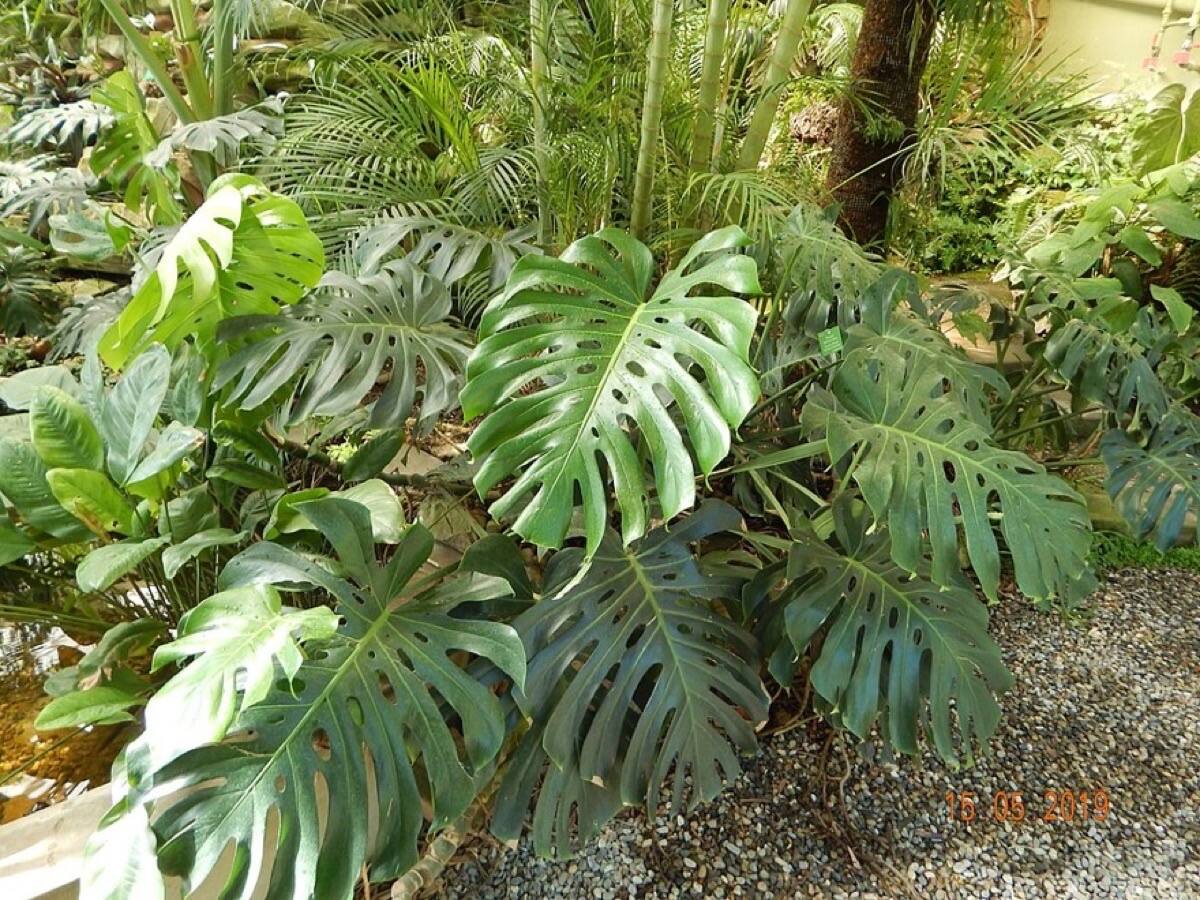

How to identify a houseplant from a photo
A clear photo and a good match beat guessing from a nursery sticker that fell off. Plant identification suggests species from your picture; you confirm before anything joins your collection — so care and toxicity notes attach to the right plant.
Take a photo the identifier can use
Use daylight on a true leaf, not just the pot. Include flowers, fruit, or distinctive stems when you have them — they separate lookalikes faster than a tight leaf crop alone.
Show scale when you can: a whole-plant shot plus a leaf close-up beats one blurry zoom. Avoid heavy filters and extreme close-ups of only damaged tissue.
If the first shot is dark or blurry, take a second from a different angle. Wet leaves with harsh glare can confuse patterns; a dry leaf in soft daylight is easier.
Identification needs a network connection. After you save the plant, you can manage it offline; care logs sync when you are back online.
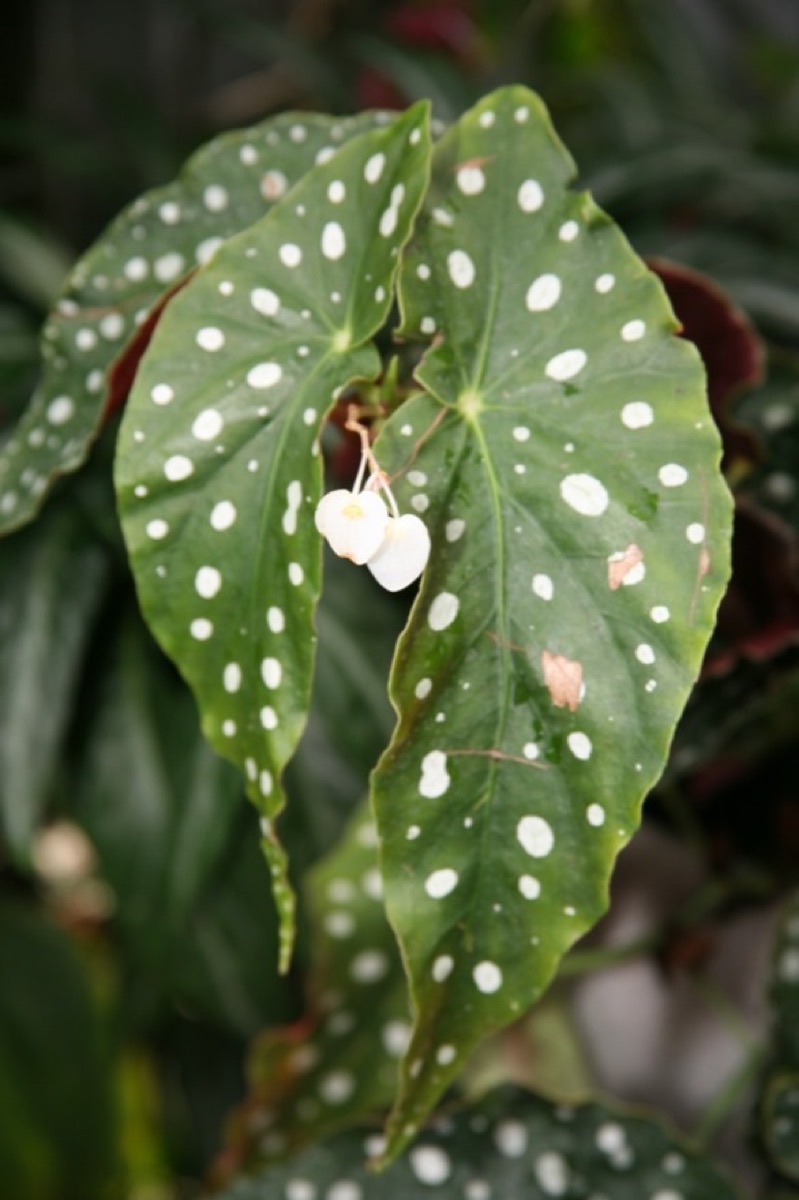
Photo by Cliff · CC BY 2.0

Read the suggestions, then confirm
Planti returns likely species from a growing indoor-plant database, with a confidence signal so you can compare lookalikes. Pick the match that fits the plant in front of you — leaf shape, variegation, and growth habit.
Nothing is added to your plant collection until you confirm. That keeps mystery pots from messing up watering reminders later.
If two suggestions look plausible, open both care cards. Light and water ranges that match how the plant has been behaving are a useful tie-breaker.
Still unsure? Take another photo of a different leaf or the whole plant. A second pass often ranks the right species higher than forcing a weak first match.
Use the name for better care
A confirmed species is a starting point, not a field-botany certificate. Watch how your plant behaves in your light and humidity, then adjust — your home still wins over a generic chart.
After a match, you get care basics from the same catalog as the the species database: light, watering rhythm, and toxicity notes when we have them. That matters in homes with pets — see houseplants and pets.
If you share plants in a shared household, everyone sees the same species card — no private nicknames that only one person understands.
New to keeping plants at all? Pair the name with beginner indoor plant care so you do not invent a schedule before the basics are solid.
Common identification snags
Cultivars and similar genera can look alike — many pothos and philodendrons confuse people until you compare leaf texture and growth habit carefully.
Stressed plants with damaged leaves are harder to ID. If possible, photograph the healthiest true leaf, not only the crispy one that worried you.
Outdoor weeds and garden shrubs sometimes sneak into “houseplant” photos. A whole-plant context shot helps the model (and you) stay in the right category.
Download Planti on iOS or Android to identify plants and keep the care card attached to each pot in your home.