
How to propagate houseplants
Propagation is how one healthy plant becomes several — cuttings in water or soil, splitting a crowded root ball, or potting up pups. Start with a vigorous parent, keep tools clean, and give babies bright indirect light while roots form.
Set a reminder for each plant instead of guessing. Free on iOS and Android.
Start with a healthy parent plant
Propagate from firm, pest-free growth — not from a plant that is collapsing, rotting, or covered in webbing. Weak cuttings rarely outperform the parent you took them from.
Spring and early summer are the easiest seasons indoors: longer days and active growth mean roots form faster. You can propagate year-round under a bright lamp, but expect slower results in midwinter.
Know what you own. Pothos, philodendron, monstera, tradescantia, and many herbs root easily from stem cuttings. Snake plants, ZZ plants, and peace lilies often prefer division. Spider plants and some succulents offer ready-made pups.
If you are unsure of the species, identify it first with how to identify a houseplant from a photo or the the species database so you pick a method that matches the plant — and check toxicity before you leave cuttings where pets can chew them.
Stem cuttings in water or soil
For vining and many foliage plants, cut a stem piece with at least one node (the bump where a leaf joins the stem). Remove leaves that would sit underwater or underground. A clean, sharp cut beats a crushed stem.
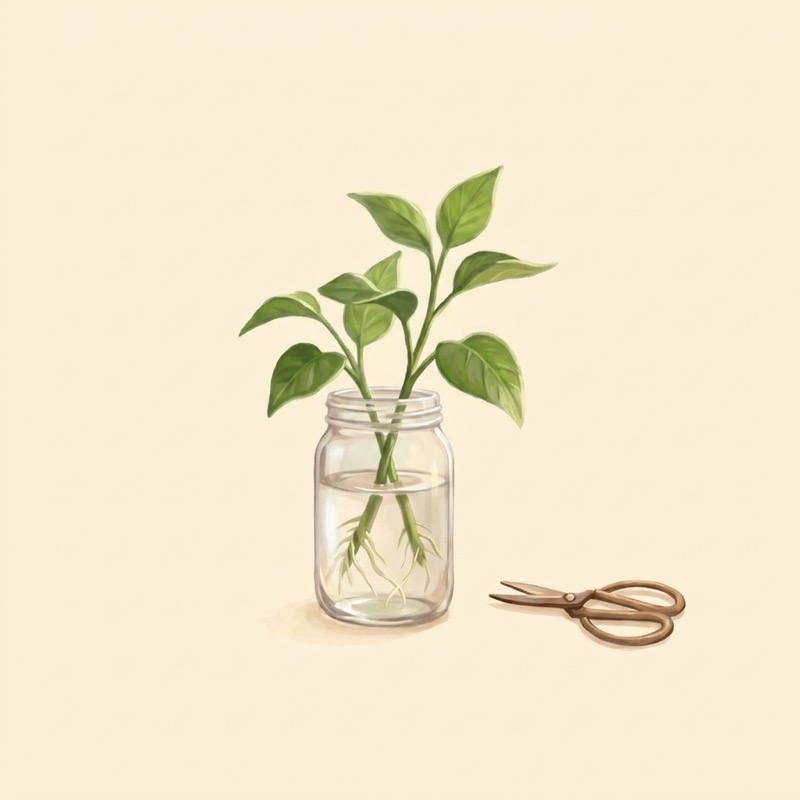
Water propagation: place the node in clean room-temperature water, keep the jar in bright indirect light, and change the water when it clouds. Wait for roots a few centimeters long before potting up.
Soil propagation: pot the cutting into a light, airy mix, keep it barely moist (not soggy), and cover loosely with a clear bag for humidity if your home is very dry. Open daily so mold does not win.
Rooting hormone is optional for easy houseplants. Patience matters more — poking the cutting every day to “check roots” slows everything down.
Division, pups, and offsets
Division suits clumping plants: ease the plant from its pot, tease or cut the root ball into sections with shoots and roots on each piece, then pot each section at the same depth as before. This often pairs with when to repot houseplants.
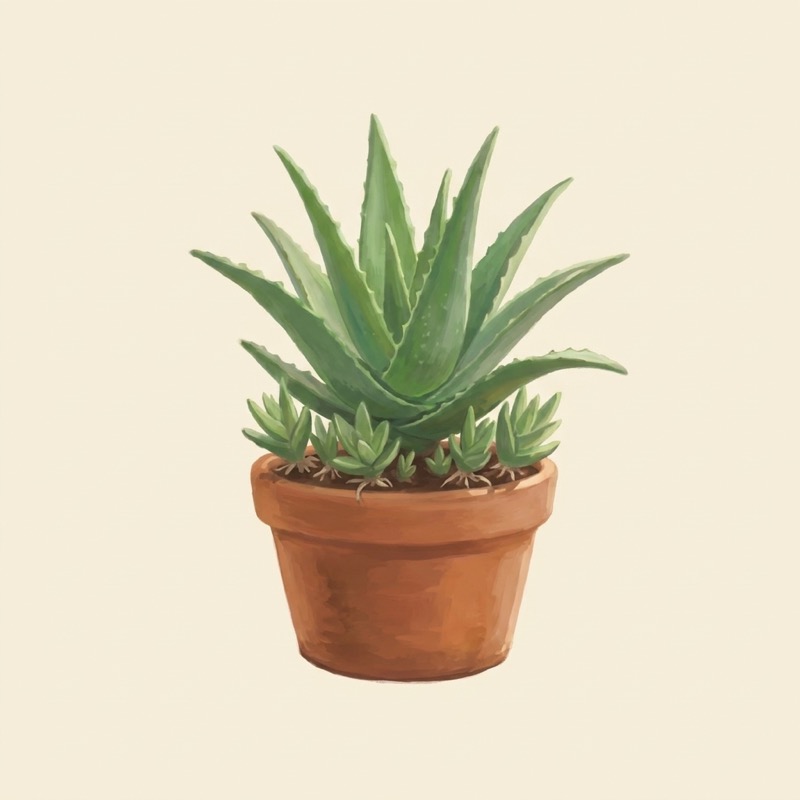
Pups and offsets — spider plant babies, many succulent chicks, snake plant shoots — can be separated when they have a few roots of their own. Too-tiny pups stall; wait until they look like a small plant, not a nub.
Layering (pinning a stem to soil while still attached) works for some trailing plants if cuttings keep failing. Once roots form at the pinned node, cut free and pot up.
Sterilize blades between plants if you have had pests or disease. Sharing dirty scissors is how problems travel through a collection.
Aftercare for new plants
New cuttings and divisions hate harsh midday sun and bone-dry air. Give bright indirect light, stable warmth, and careful watering — baby roots drown easily in a swampy pot.
When moving from water to soil, keep the mix lightly moist for the first couple of weeks so delicate water roots can adjust. Do not fertilize until you see clear new growth.
Expect a pause. Leaves may look tired while energy goes into roots. Panic-watering every morning is the fastest way to lose a cutting. Feel the mix first — same habits as how often to water indoor plants.
If rot starts (mushy stem, foul smell), cut above the damage and try again with a fresher piece and cleaner water or mix. Failure is normal; keep notes on what worked.
Give every new plant a home in the app
Add each successful baby to your plant collection with a photo and spot so it does not become “the jar on the windowsill” forever. Attach the same species card so care notes travel with it.
Set gentle watering reminders once roots are established — new pots dry at their own pace. Shared a shared household help when someone else inherits a cutting while you are away.
Propagation is how collections grow without a nursery run. A beginner path still helps: beginner indoor plant care covers light and watering so your new plants survive the first months.
Download Planti on iOS or Android to keep parent and baby plants, care history, and species tips in one place — free to start.