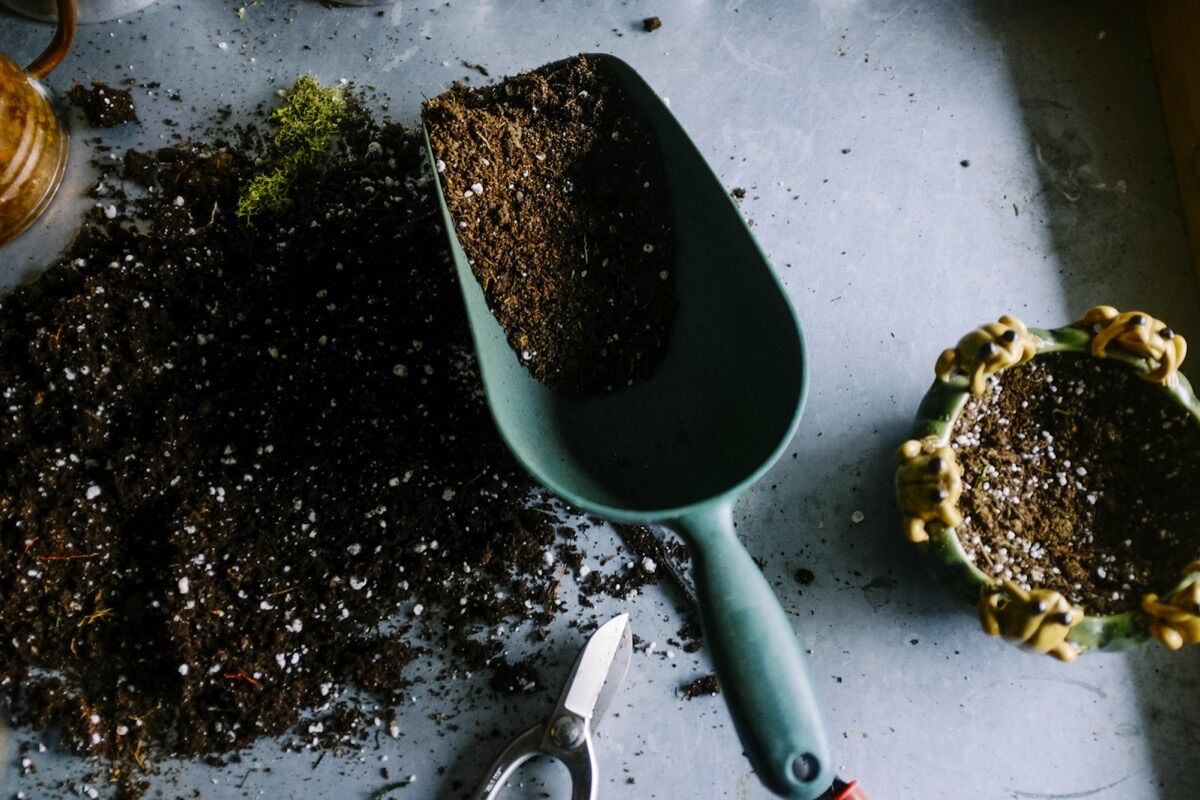
When should I repot a houseplant?
Repotting is not an annual party for every plant. Do it when roots, water behavior, or stalled growth say the pot is wrong — usually up one size, in the growing season, with a mix that matches the plant.
Signs it is time
Roots circling the bottom, poking from drainage holes, or forming a dense mat when you ease the plant out are classic rootbound signals. Growth that stalls all summer in a tiny pot is another.
Water that races straight through without wetting the mix, or soil that dries in a day in a small plastic nursery pot, often means there is more root than mix left.
A sour smell, constant fungus gnats, or mix that collapsed into a dense brick are reasons to refresh soil even if you keep a similar pot size.
You do not need to repot on the day you bring a plant home. Let it settle a few weeks unless the nursery pot is cracked, soggy, or clearly too small.
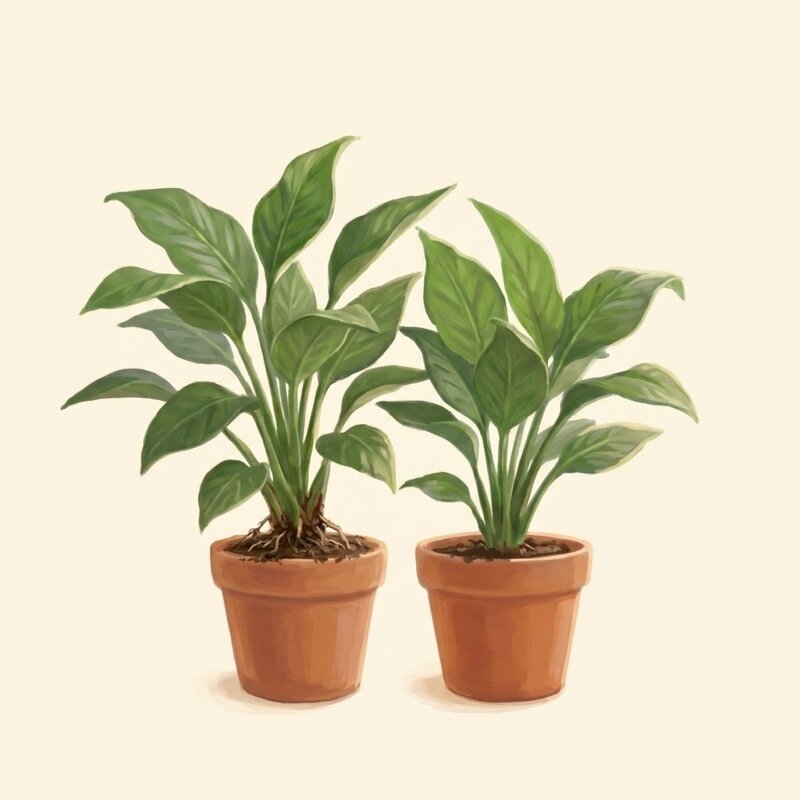
Choose the pot and the mix
Go up about 2–5 cm in diameter for most houseplants — one size up. A huge pot holds wet mix around small roots for too long and invites rot.
Drainage holes are non-negotiable. Cachepots are fine if the plant lives in a nursery pot you can lift out to water and drain.
Use a mix that matches the plant: standard indoor mix for many foliage plants, chunkier aroid mixes for monsteras and philodendrons, grittier cactus mix for succulents. Matching texture matters more than the fanciest bag.
Check species notes in the the species database if you are unsure whether the plant likes to stay snug (some prefer being slightly rootbound) or wants frequent refreshes.
A simple repot method
Water lightly a day before if the root ball is bone-dry and stuck; slightly moist mix slides out cleaner than dust. Tip the pot, support the stem, and ease the plant out. Loosen circling roots gently with your fingers.
Add fresh mix in the new pot so the plant will sit at the same depth as before. Center it, fill around the sides, and tap to settle — do not bury the stem deeper to “make it stable.”
Water thoroughly once after repotting so the new mix contacts the roots, then let excess drain. Empty the saucer. Skip fertilizer for a few weeks while roots recover.
Trim only dead or clearly rotten roots. Healthy white or firm roots can stay; aggressive root pruning is optional and easy to overdo.
Aftercare — expect a pause
Keep the plant in similar light to what it had. Avoid a sudden move into harsh sun the same afternoon you repotted.
Expect slower drinking for a bit: there is more mix to dry. Check soil before you water again — new pots are a common time people overwater out of worry. See how often to water indoor plants if you need a reset on timing.
Mild droop for a few days can be transplant stress. Panic-watering every morning makes it worse. If the mix is still wet, wait.
Update the plant in your plant collection with the repot date and new pot size so future you remembers why watering suddenly changed. Download Planti on iOS or Android to keep that history with the plant.