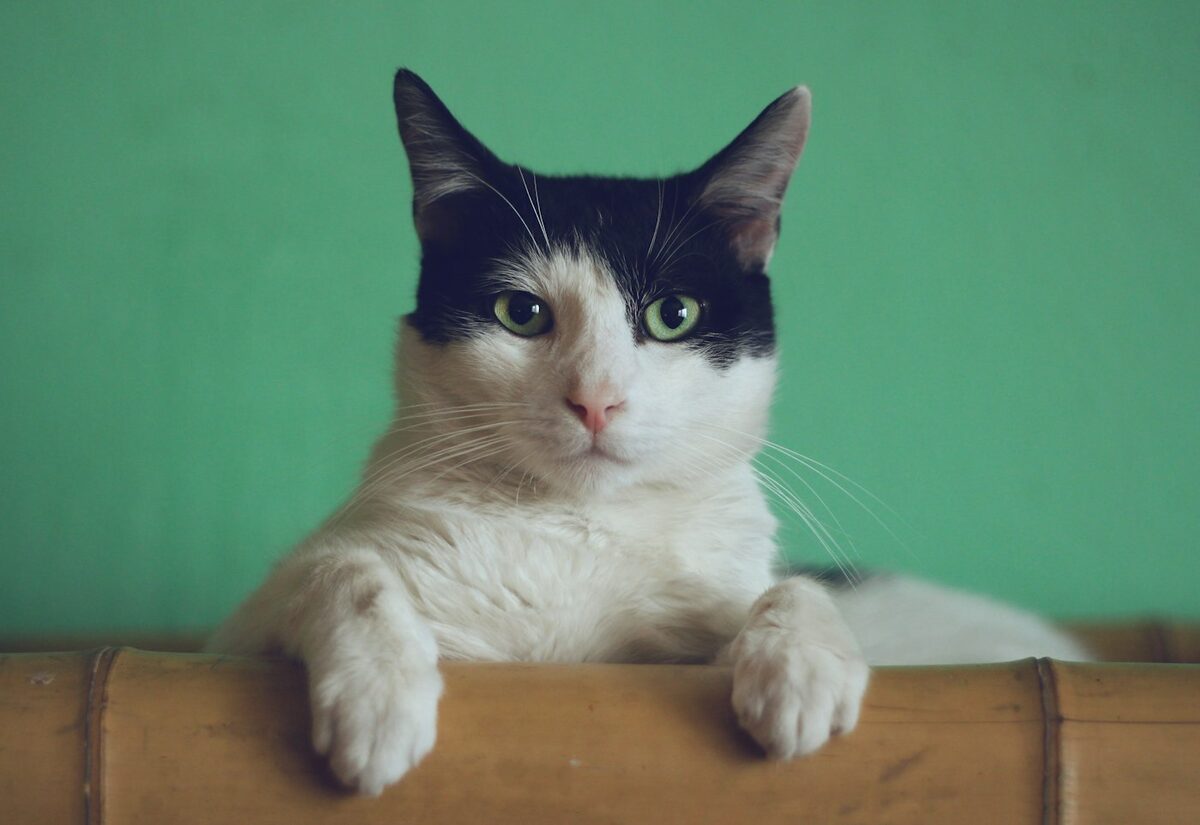
Houseplants and pets: what to know
Plenty of homes keep both cats or dogs and a growing plant shelf — with a little research and smarter placement. Toxicity is about the species, not how “green and friendly” a plant looks on a coffee table.
Check the species before it comes home
“Non-toxic” and “toxic” are species labels, not vibes. A pretty variegated plant can still upset a stomach — or worse — if chewed. Look up the exact name before you buy, accept a cutting, or move a plant to the floor.
If you only know a nickname, identify it first with plant identification. Nursery stickers fall off; guessing from leaf shape is how toxic lookalikes slip in.
Planti’s the species database includes toxicity notes when we have them. Use those as a starting filter, then double-check with a trusted pet-poison reference if your animal is a determined chewer.
Toxic does not always mean “one bite is fatal,” and non-toxic does not mean “eat the jungle.” Any plant material can cause mild upset. When in doubt, keep tempting foliage out of reach.
Safer-leaning picks — and common problem plants
Many pet owners start with plants often listed as non-toxic when grown as houseplants — for example spider plants, parlor palms, and some peperomias — then verify the exact cultivar. Preferences change; always confirm for your household.
Common living-room plants that frequently appear on toxic lists include many pothos and philodendrons, dieffenbachia, lilies (especially dangerous for cats), and some euphorbias. Beautiful is not the same as safe on the floor.
Succulents and “cat grass” habits vary by species. Do not assume a cactus is safe because it is small, or that a pet will ignore spines.
If you love a toxic species, treat it like a houseplant on a high shelf or in a closed room pets cannot access — not as a floor statement piece next to the food bowl.
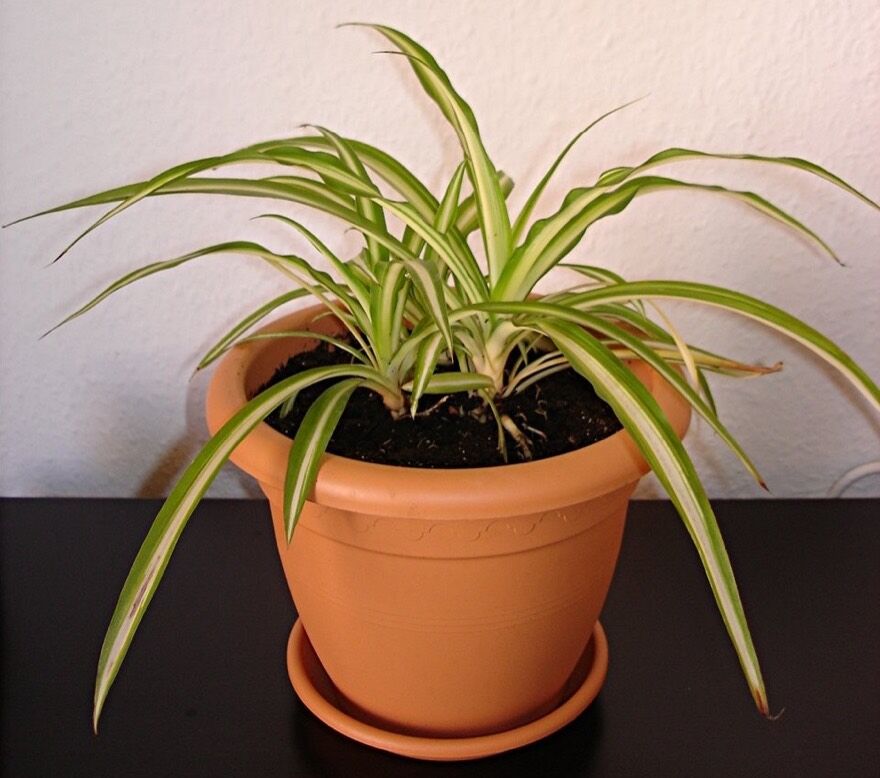
Photo by Nguyễn Dương Khang · CC BY-SA 2.5

Placement beats hope
Hungry chewers win against “maybe they will ignore it.” Use height, hanging planters, closed rooms, and stable stands. Avoid precarious pots a cat can topple onto themselves.
Bitter sprays and distractions help some pets and train none overnight. Provide alternatives if your cat munches greens — boredom and curiosity drive a lot of leaf tasting.
Keep fertilizer, pest sprays, and decorative moss out of reach. The plant might be the least dangerous thing on the shelf.
Save toxicity-aware choices in your plant collection with clear names so guests and household members do not gift a toxic cutting onto the coffee table. Shared homes can use a shared household so everyone sees the same species cards.
If a pet chews a plant
Remove what you can from the mouth gently, note the plant name, and watch for drooling, vomiting, lethargy, or pawing at the face. Contact a vet or pet poison hotline with the species name — photos help if you are unsure.
Do not wait for “it was only a little” if the plant is a known severe risk (for example true lilies and cats). Speed matters more than cleaning the carpet first.
After the emergency, move or rehome that plant. Hoping the pet learned a lesson is not a safety plan.
Download Planti on iOS or Android to identify mystery plants and keep toxicity notes with each pot before the next chewing incident.