Lavender
Lavandula angustifolia
#63 of the top 100

How to care
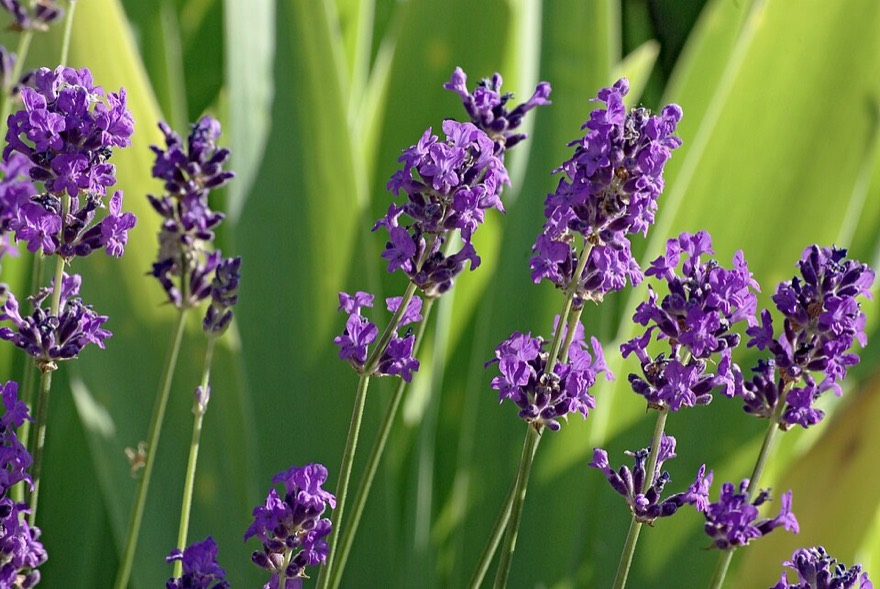
Lavandula angustifolia, commonly known as English lavender, is a popular aromatic herb known for its fragrant flowers and foliage. It thrives in well-drained soil and requires full sun exposure. This plant is drought-tolerant once established and prefers a dry environment. It is ideal for gardens, pots, or as a decorative indoor plant. Regular pruning helps maintain its shape and encourages new growth.
Light Preference
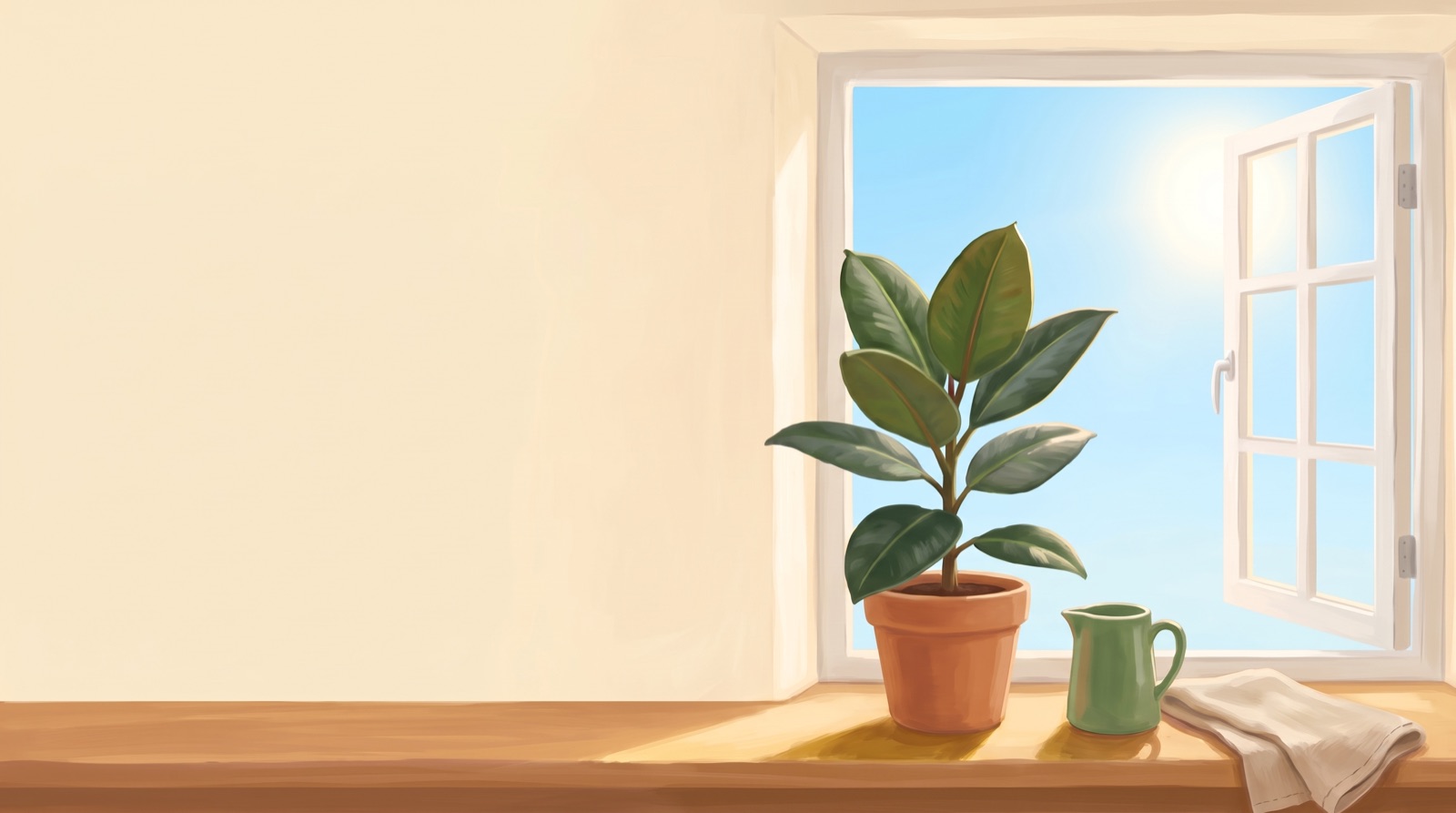
 Full Sun
 Part Shade
Size
- Height
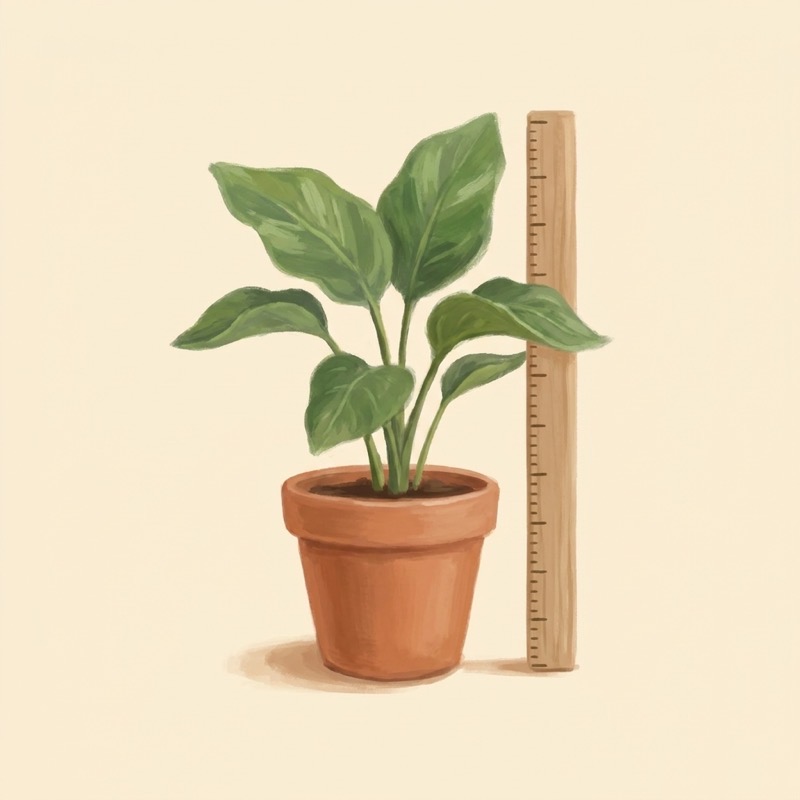
- 0.5 m – 1 m
- Spread
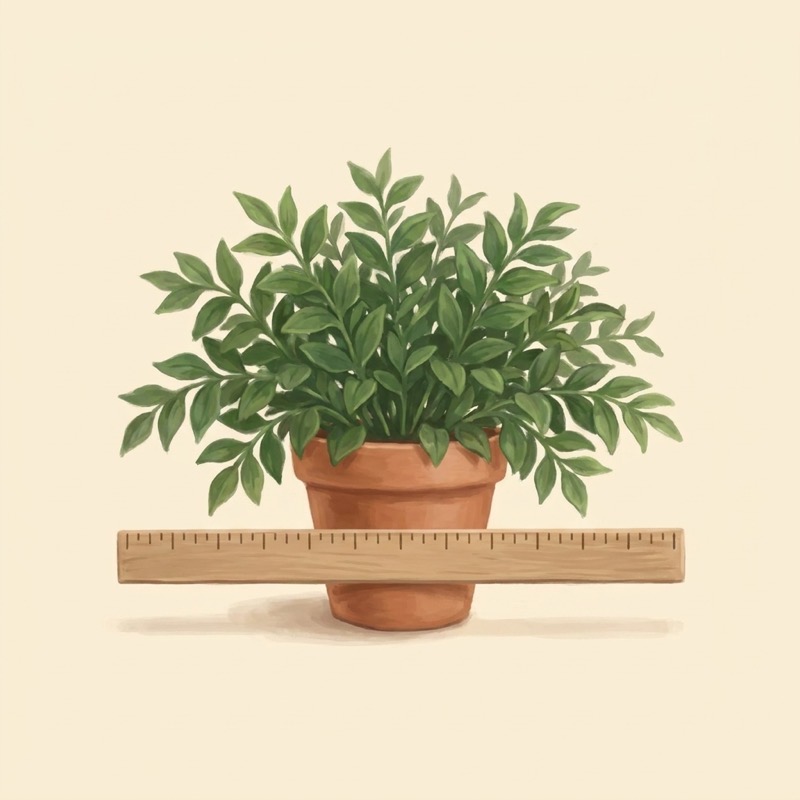
- 1 m – 1.5 m
- Years
- 2 – 5
Preferred soil
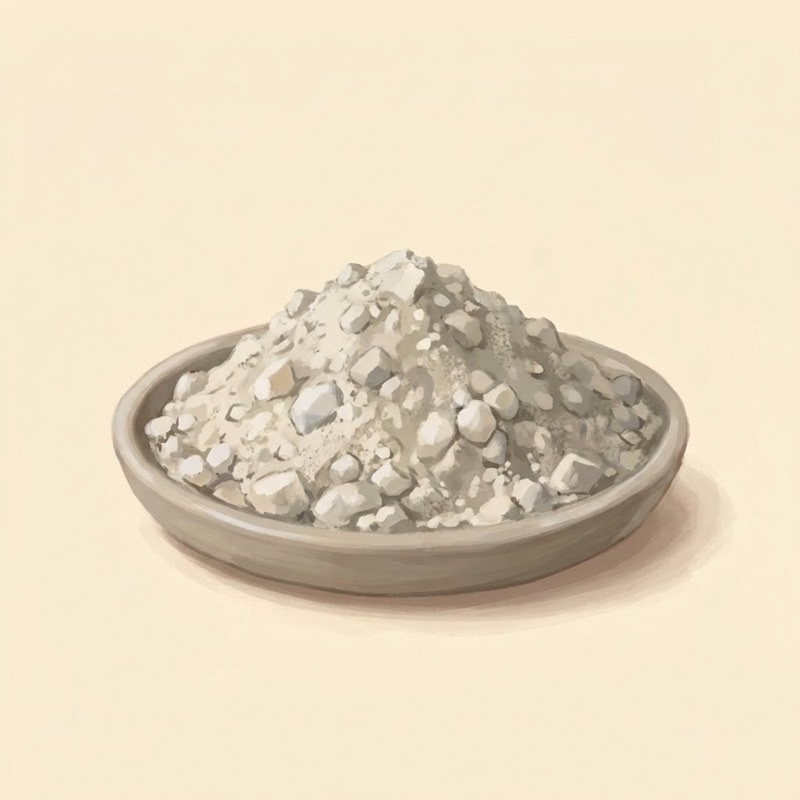 Chalk
Chalk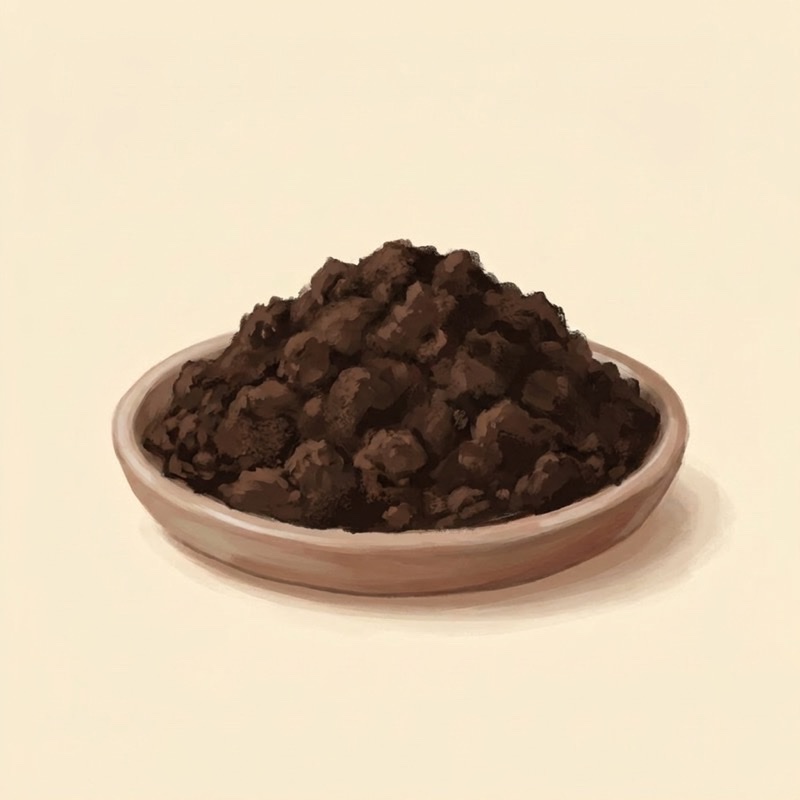 Loam
Loam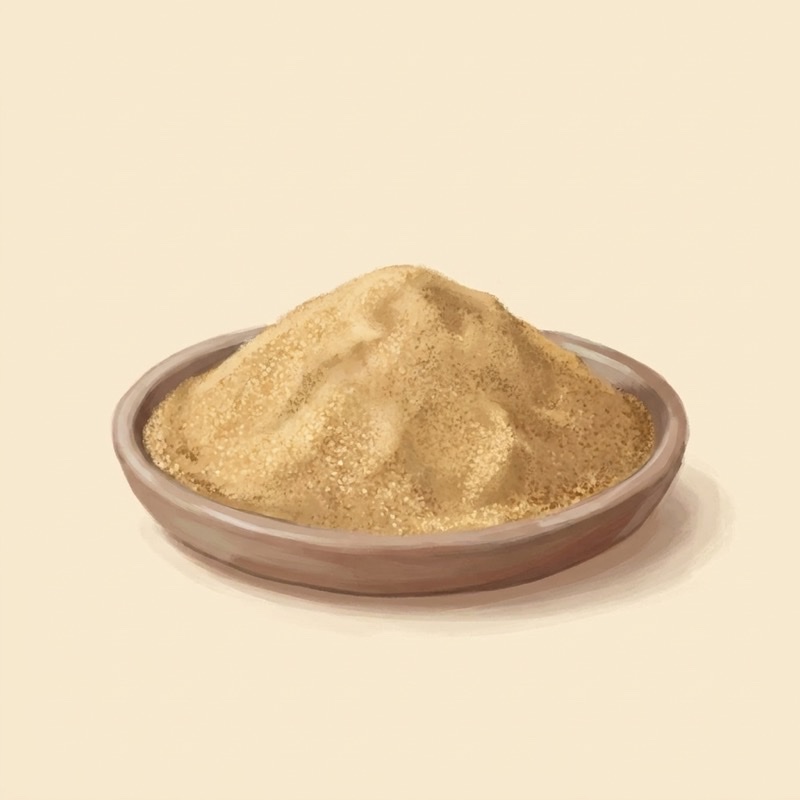 Sand
Sand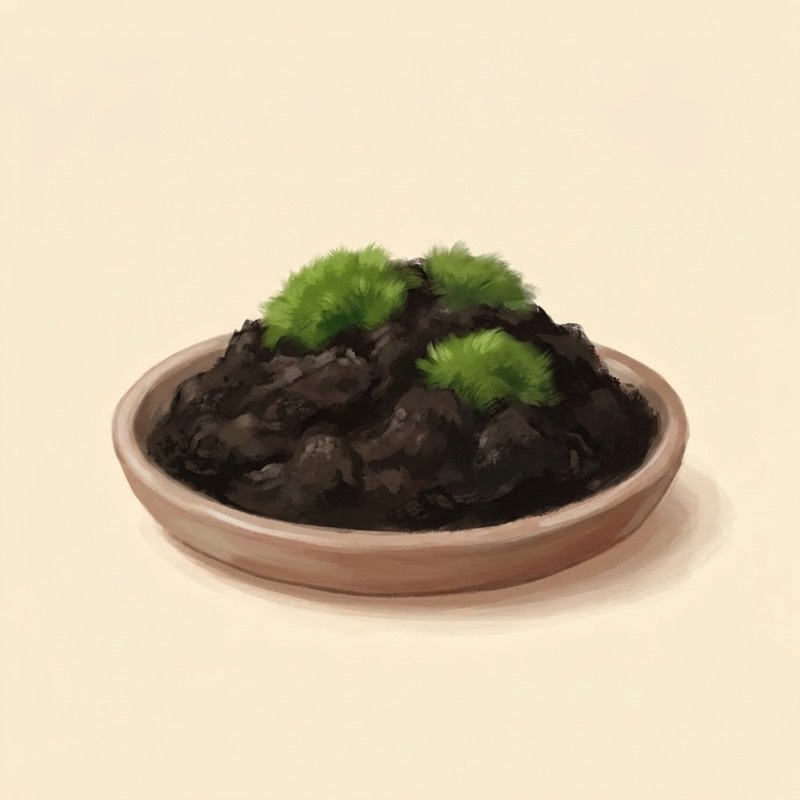 Acidic
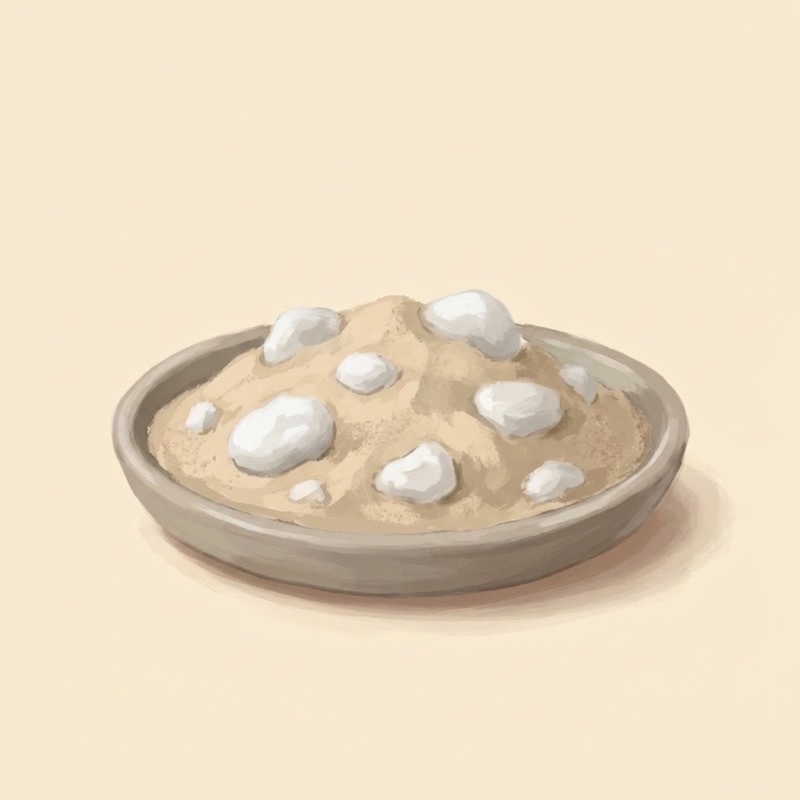 Alkaline
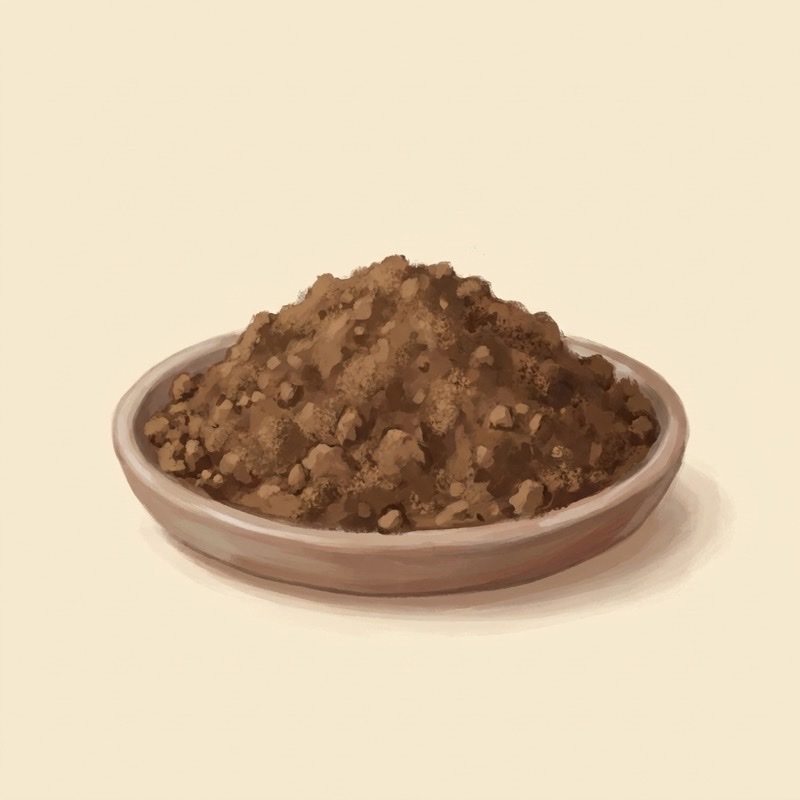 Neutral
Propagation
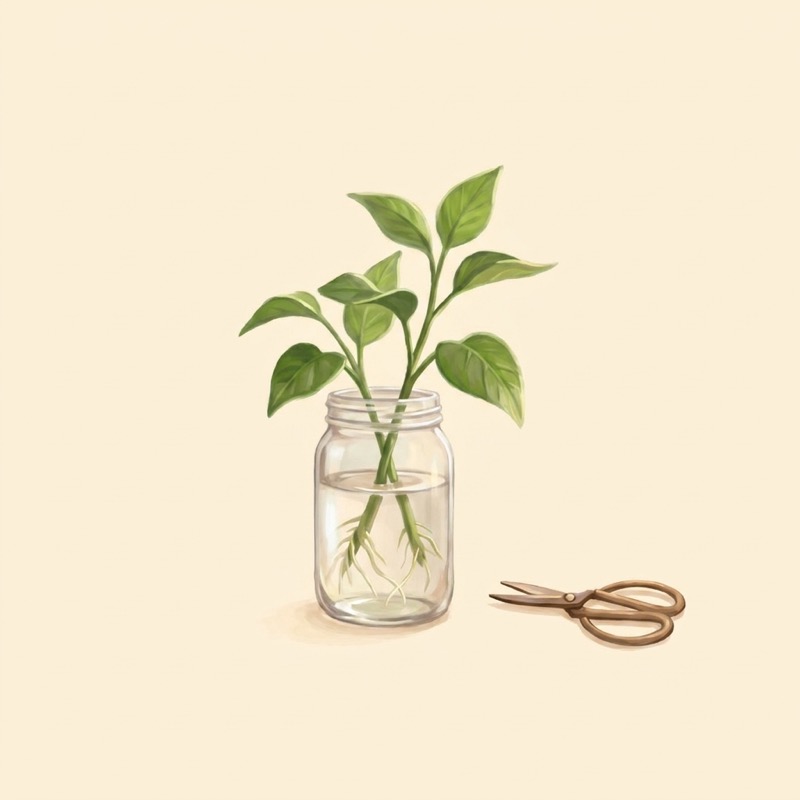 Cutting
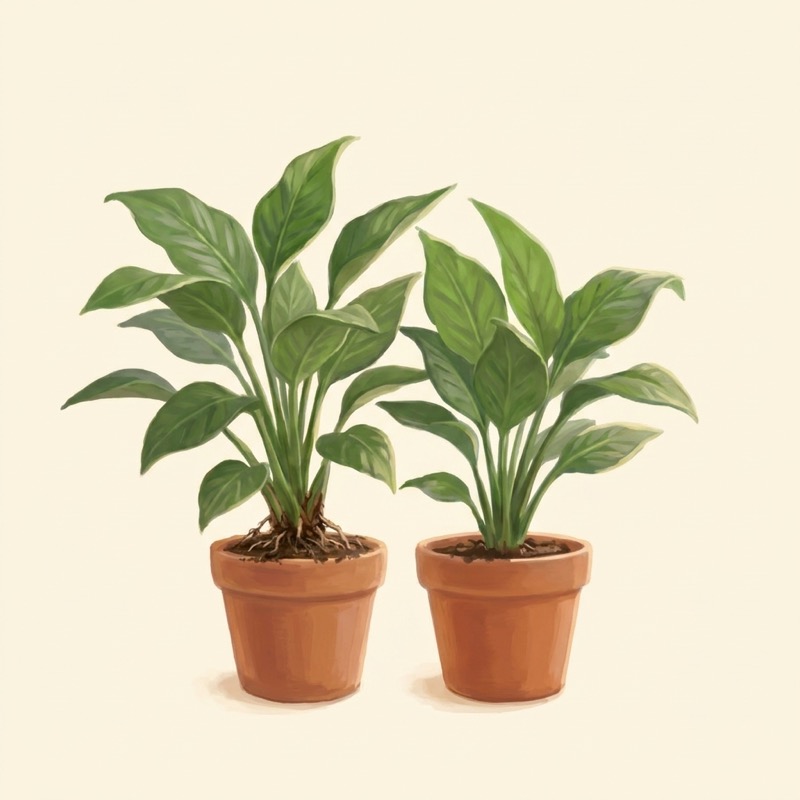 Division
Hardiness Zone
5a
-28.9°C – -26.1°C
Leaves
- Semi-Deciduous
- Gray
- Silver
- Unusual Foliage Color
Flowers
- Showy
- Fragrant
- Blue
- Lavender
- Mauve
- Purple
- White
Edible parts
Lavender flowers are used as a culinary herb, particularly in the North American version of the French herb blend known as herbes de Provence. They add a floral, slightly sweet flavor to dishes and are often used in baking, desserts, and teas.
Informational only — not a guarantee that a part is safe to eat. Missing data does not mean a plant is inedible.
Other names
- Common lavender
- English lavender
- Garden lavender
- Narrow-leaved lavender
- True lavender
Taxonomy
- Order
- Lamiales
- Family
- Lamiaceae
- Genus
- Lavandula