Pepper
Capsicum annuum
#98 of the top 100
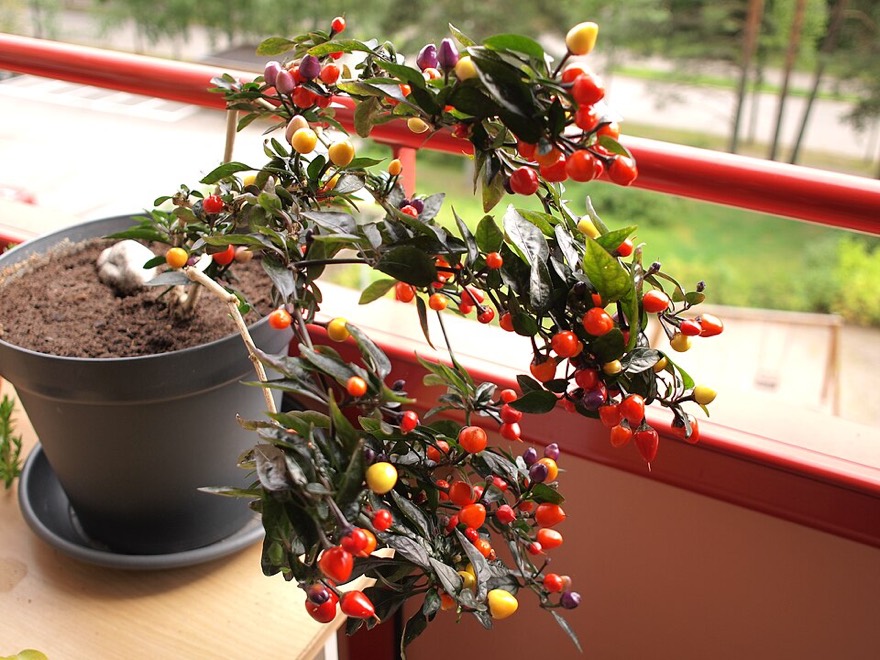

How to care
Capsicum annuum, commonly known as bell pepper or chili pepper, is a versatile plant that can be grown indoors with proper care. It thrives in bright, indirect sunlight and requires a warm environment to produce fruit. Regular watering and fertilization during the growing season will support healthy growth and fruit production. Pruning can help maintain its shape and encourage more fruiting.
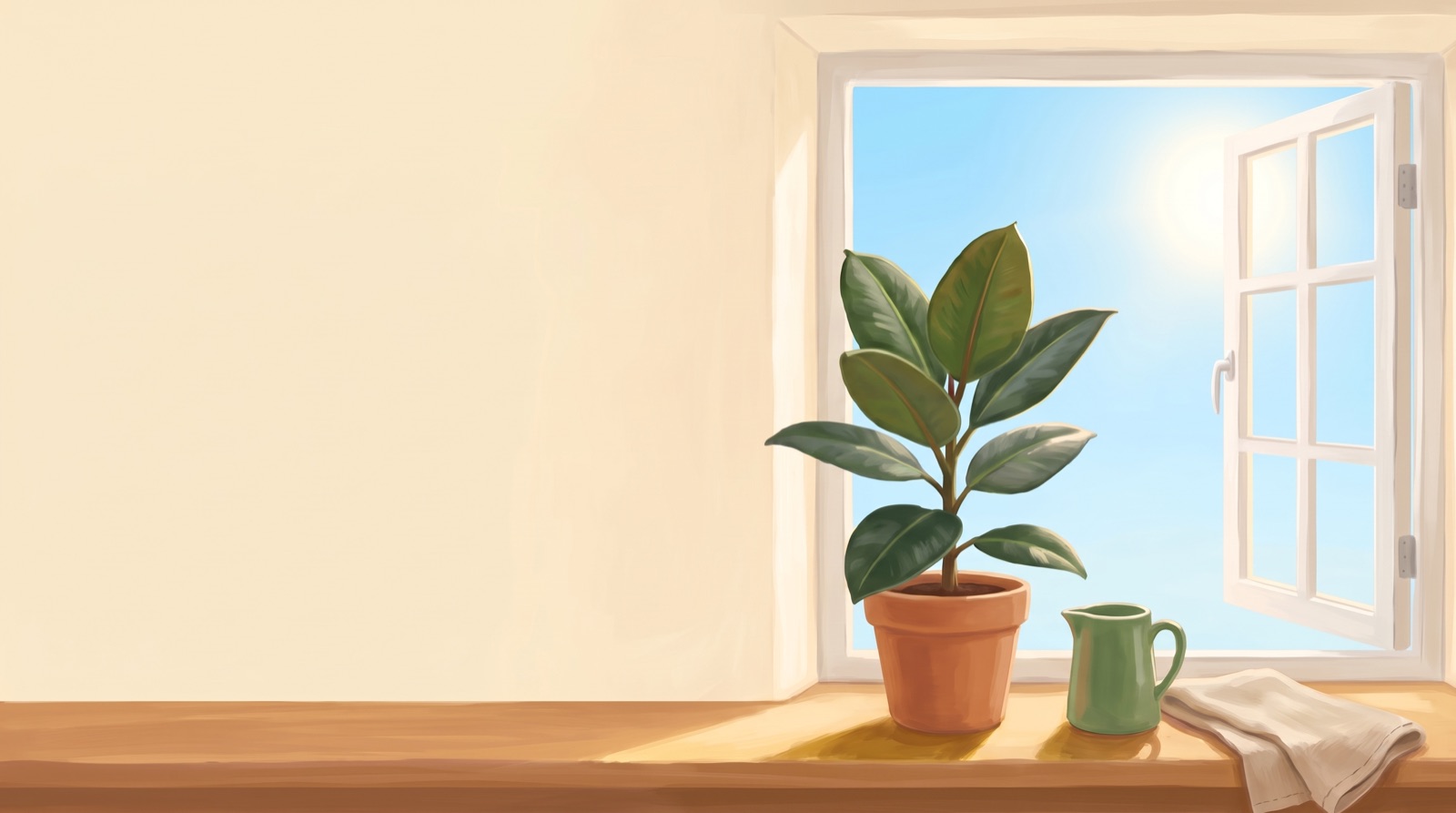
Light Preference
 Full Sun
Size
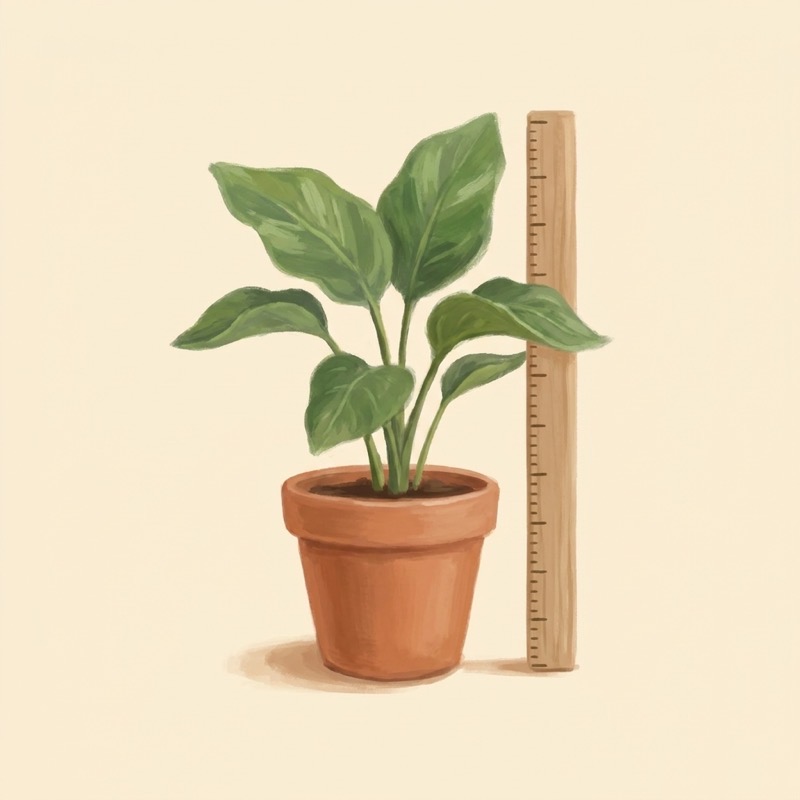
- Height
- 0.5 m – 1 m
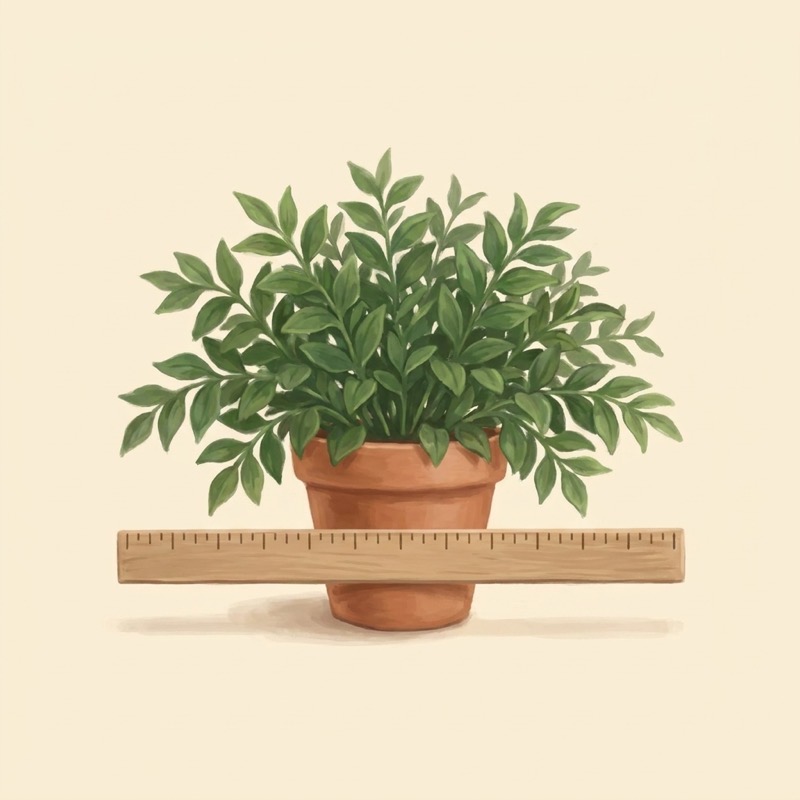
- Spread
- 0.1 m – 0.5 m
- Years
- 1
Preferred soil
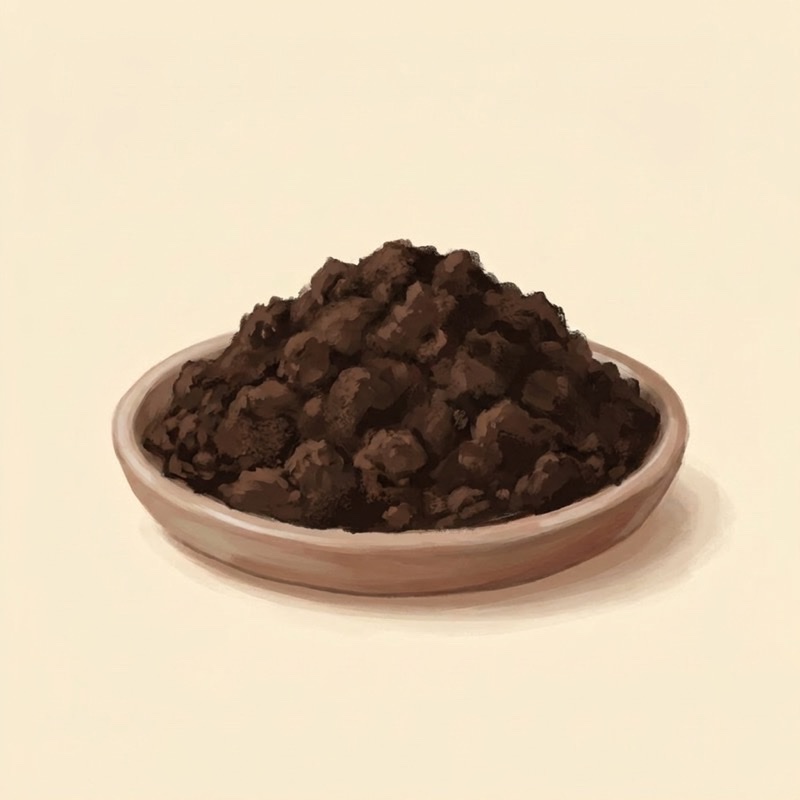 Loam
Loam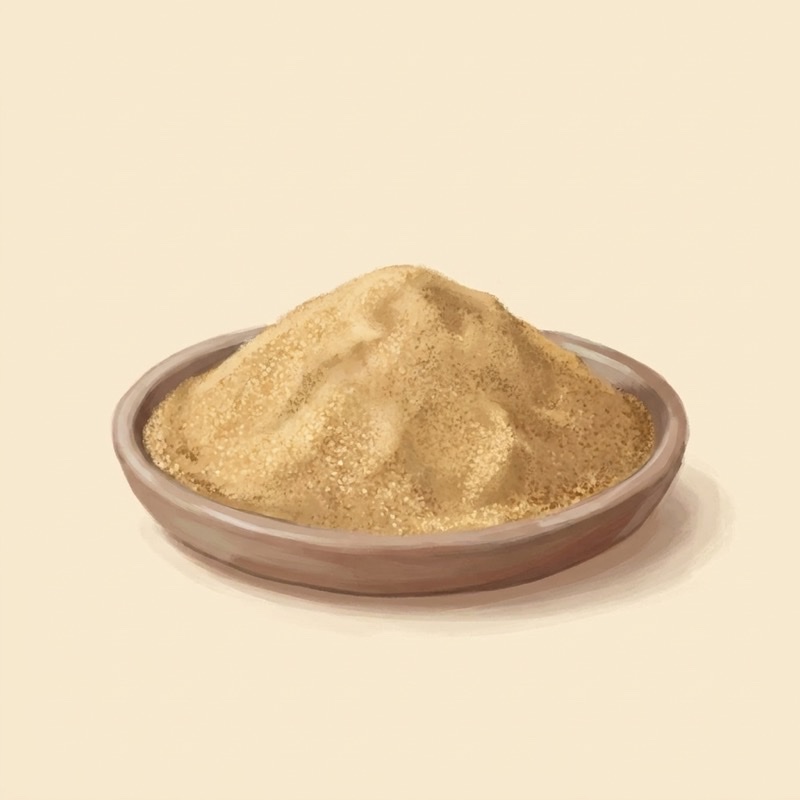 Sand
Sand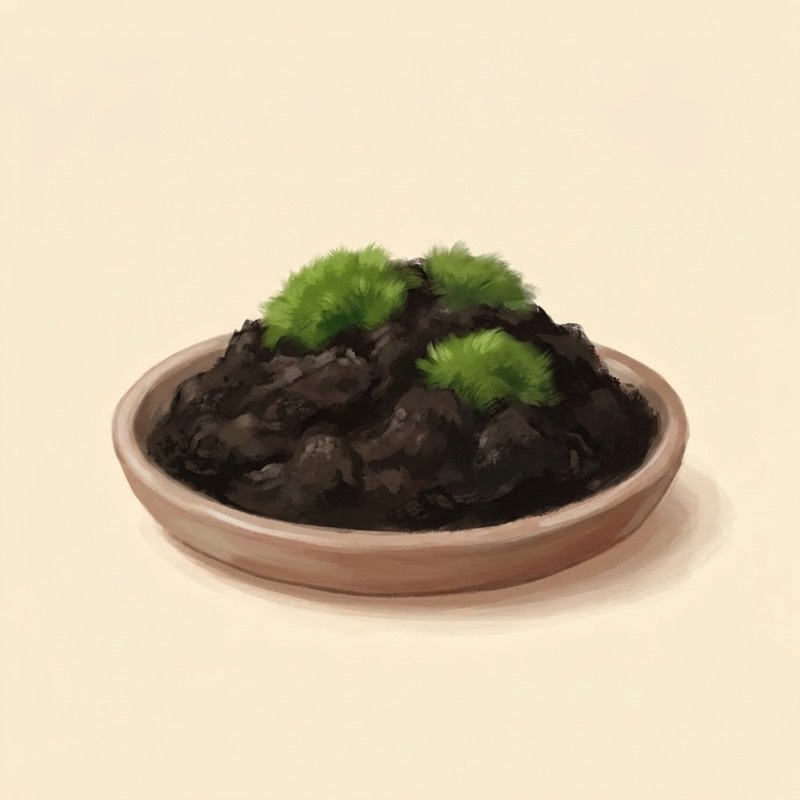 Acidic
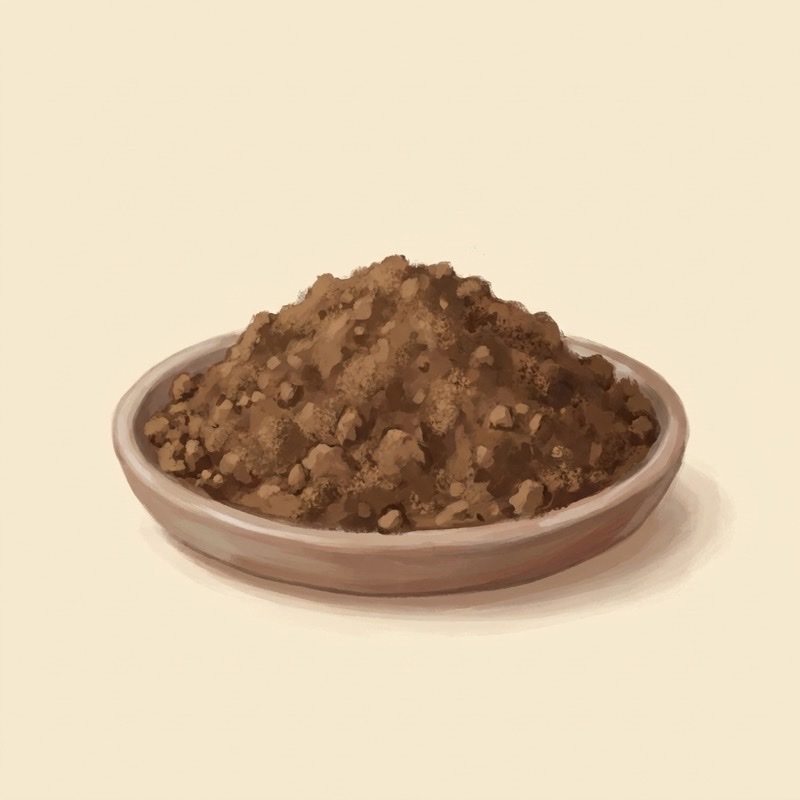 Neutral
Life Cycle
Perennial
Lives for more than two years.
Leaves
- Green
Flowers
- Purple
- White
Toxic to
- Whole plantCatsMild · Eye contact
- Whole plantCatsMild · Ingestion
- Whole plantCatsMild · Skin contact
- Whole plantDogsMild · Eye contact
- Whole plantDogsMild · Ingestion
- Whole plantDogsMild · Skin contact
- Whole plantHumansMild · Eye contact
- Whole plantHumansMild · Ingestion
Informational only — not veterinary or medical advice. Missing data does not mean a plant is safe.
Edible parts
The fruit of Capsicum annuum, commonly known as pepper, is widely used in culinary applications around the world. It can be consumed fresh, dried, pickled, or powdered. Peppers are a staple in traditional Mexican cuisine, often used in dishes like Oaxacan black mole.
Informational only — not a guarantee that a part is safe to eat. Missing data does not mean a plant is inedible.
Other names
- Bell pepper
- Orange bell pepper
- Sweet pepper
- Sweet snacking pepper
Taxonomy
- Order
- Solanales
- Family
- Solanaceae
- Genus
- Capsicum