Swiss cheese plant
Monstera deliciosa
#4 of the top 100
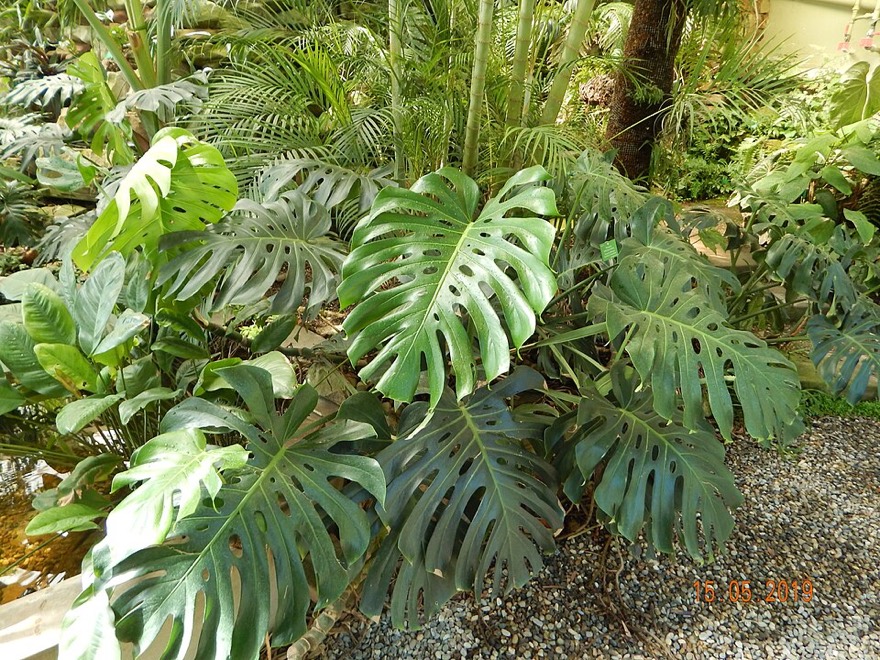

How to care
Monstera deliciosa, also known as the Swiss Cheese Plant, is a popular tropical houseplant known for its large, glossy leaves with unique splits and holes. It thrives in bright, indirect light and prefers a warm, humid environment. Regular watering and occasional feeding during the growing season will keep it healthy.
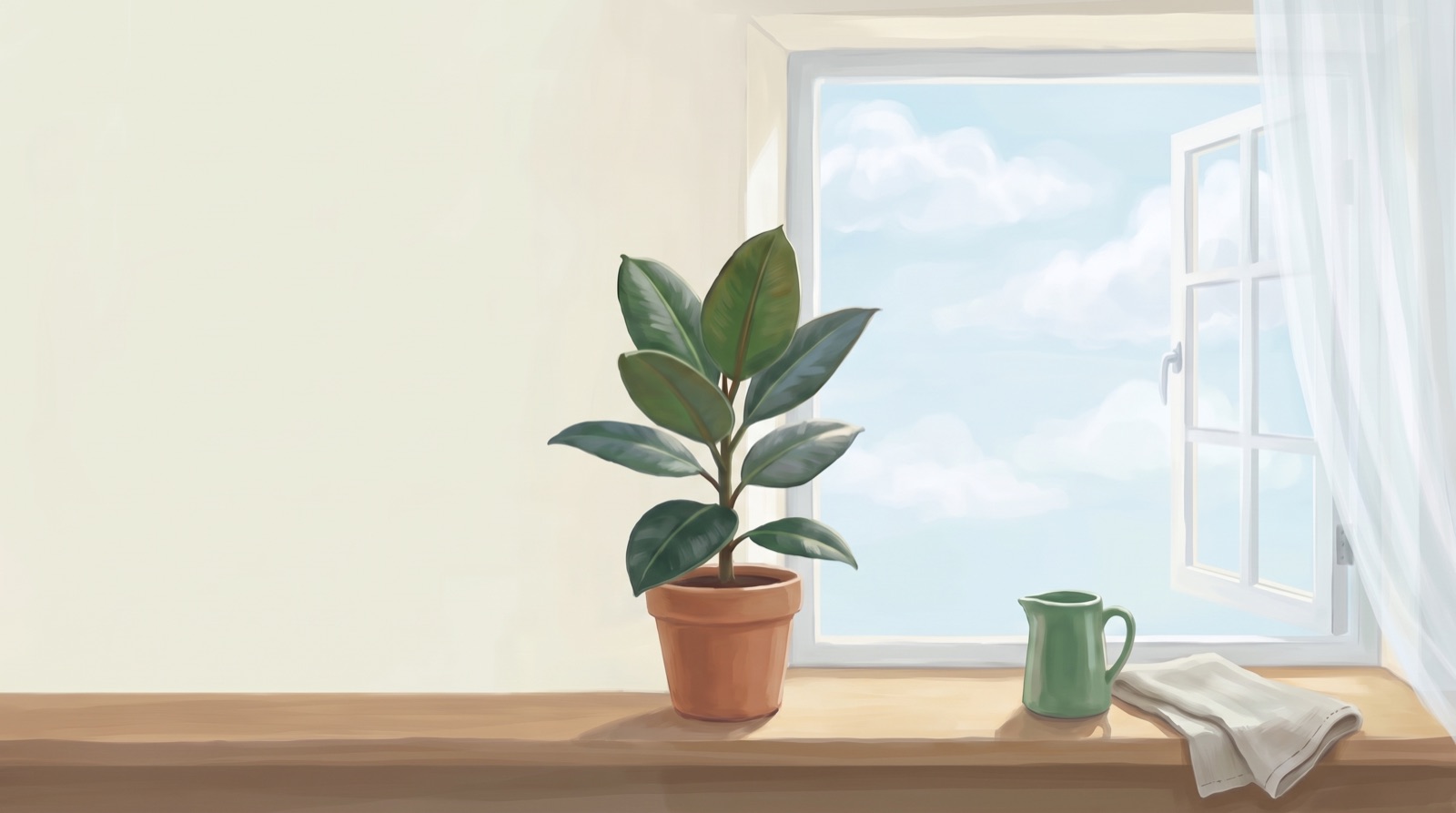
Light Preference
 Part Shade
 Full Shade
Size
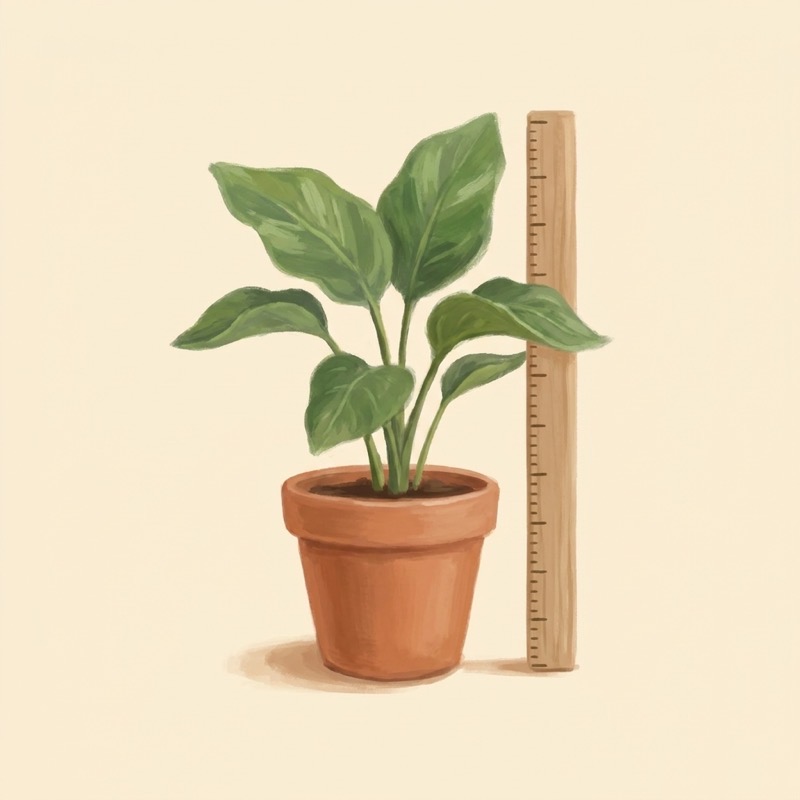
- Height
- 4 m – 8 m
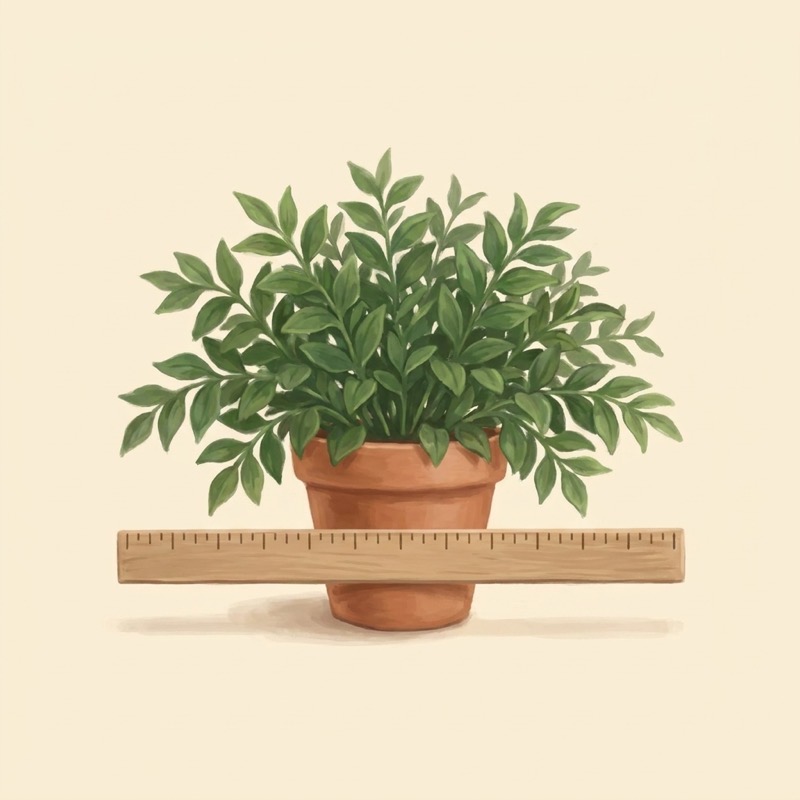
- Spread
- 1.5 m – 2.5 m
- Years
- 10 – 20
Preferred soil
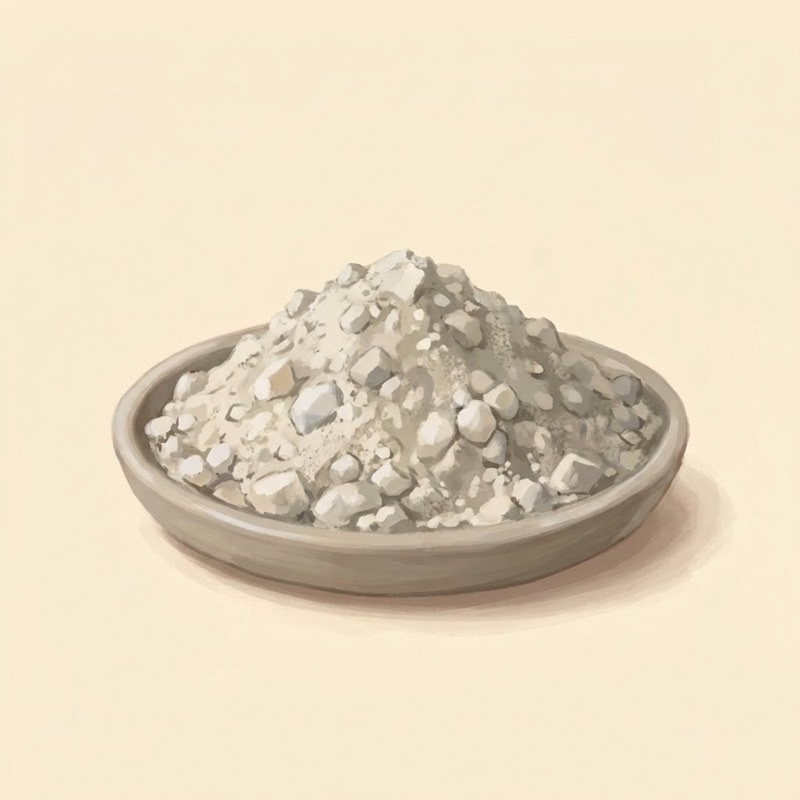 Chalk
Chalk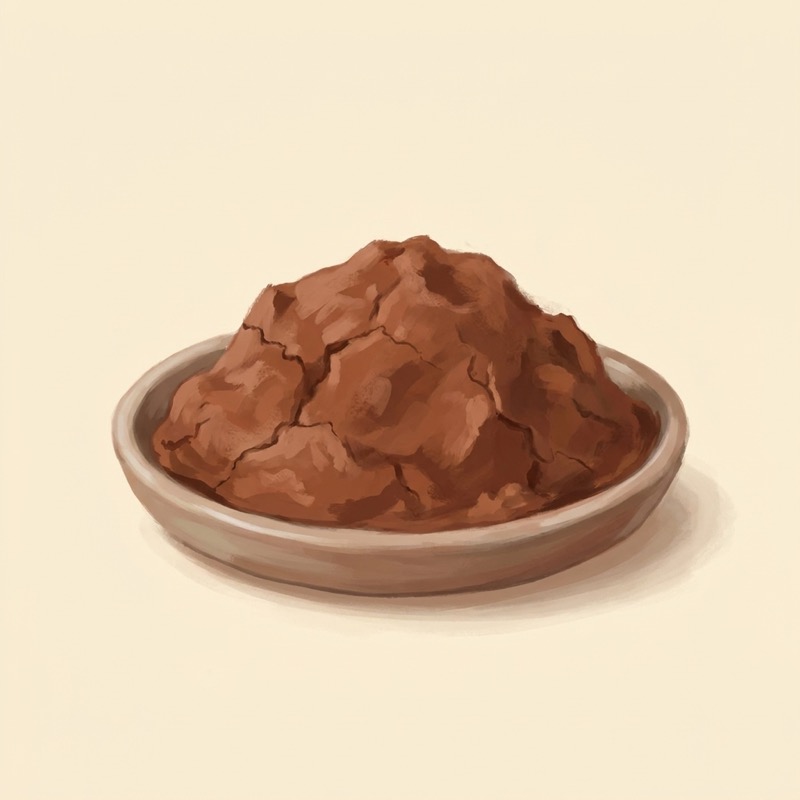 Clay
Clay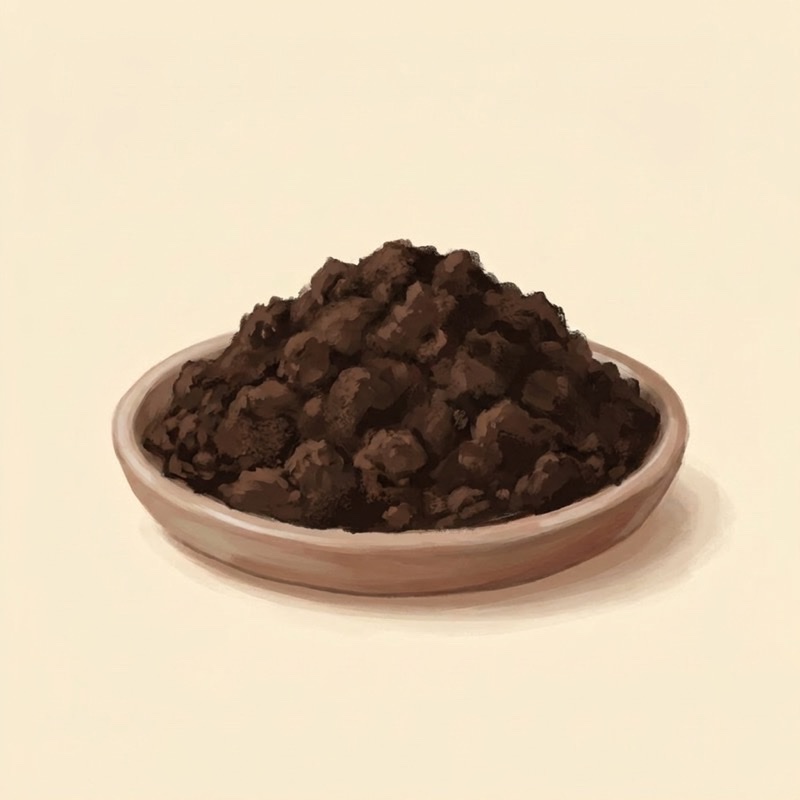 Loam
Loam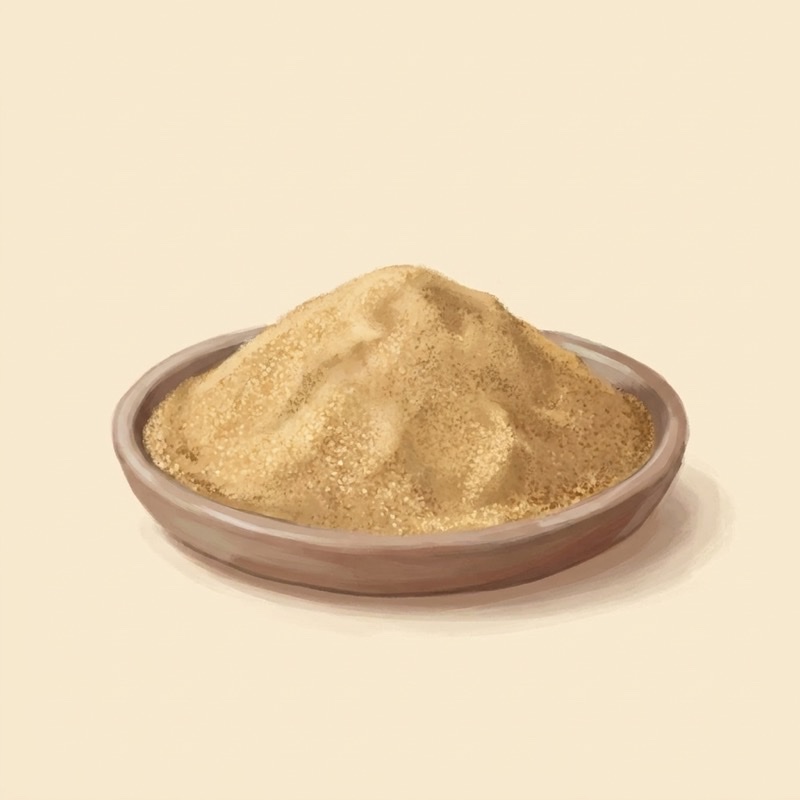 Sand
Sand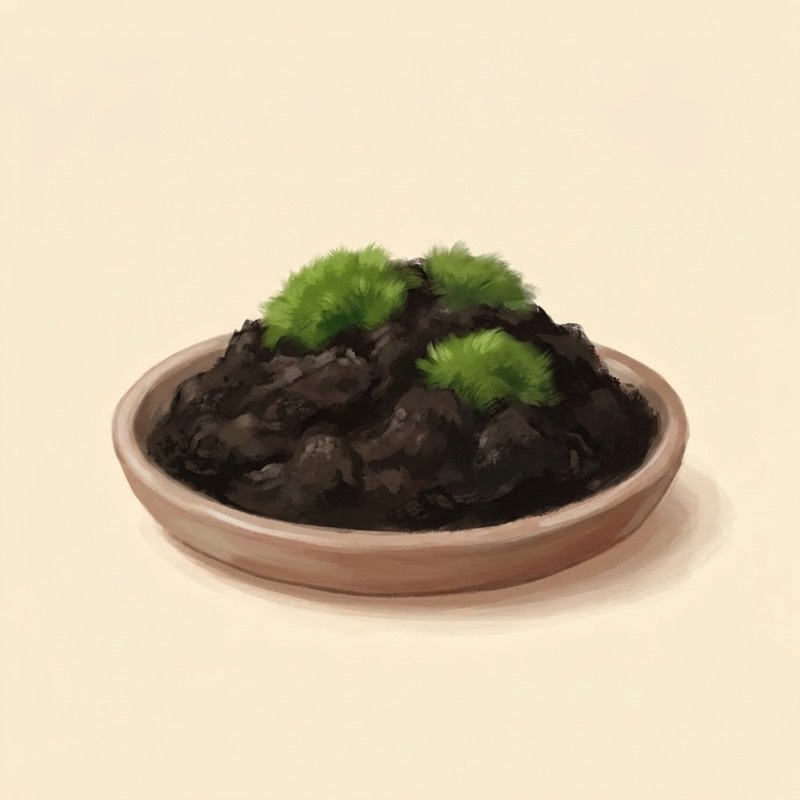 Acidic
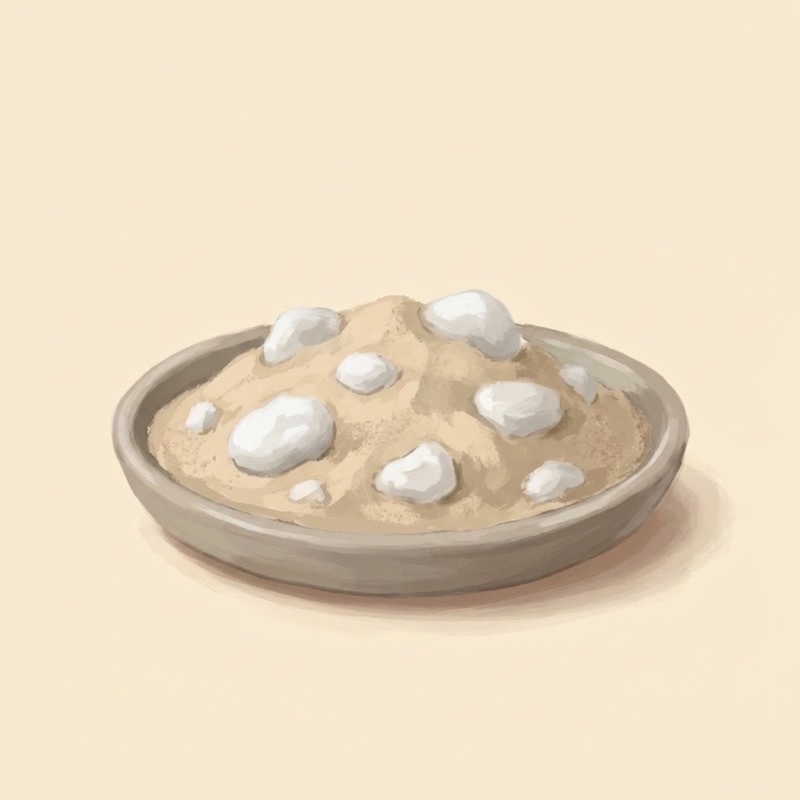 Alkaline
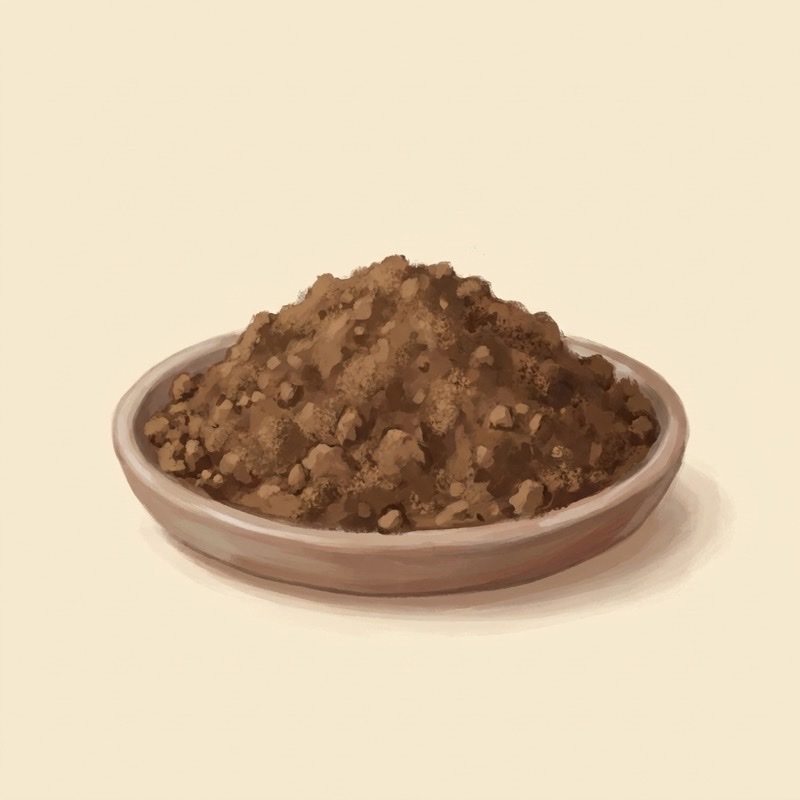 Neutral
Propagation
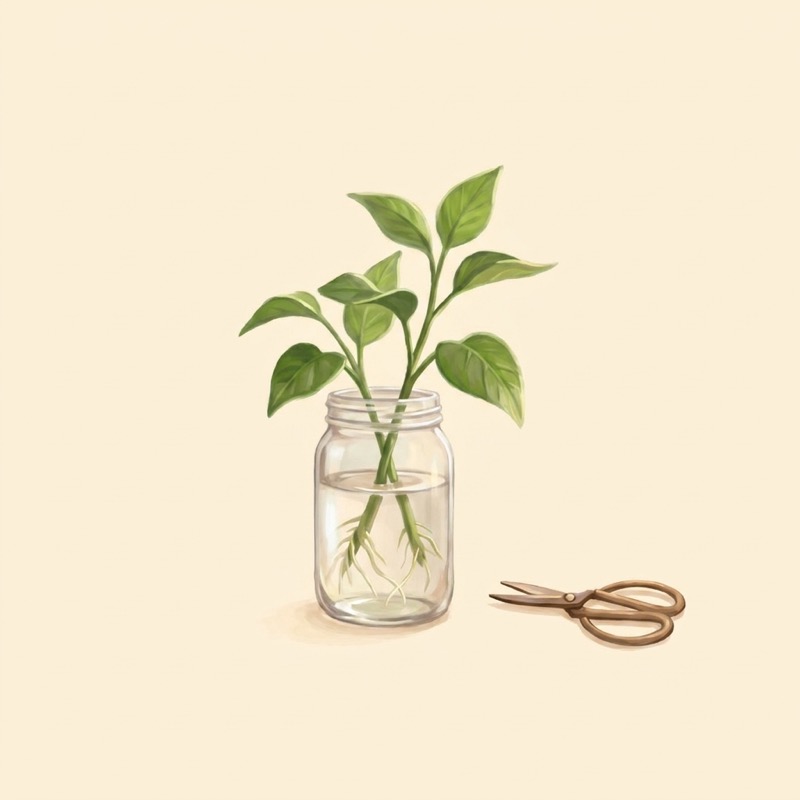 Cutting
Life Cycle
Perennial
Lives for more than two years.
Hardiness Zone
10a
-1.1°C – 1.7°C
Leaves
- Evergreen
- Green
Flowers
- Showy
- White
Toxic to
- LeafCatsModerate · Ingestion
- LeafDogsModerate · Ingestion
- LeafHumansMild · Eye contact
- LeafHumansMild · Ingestion
- LeafHumansMild · Skin contact
Informational only — not veterinary or medical advice. Missing data does not mean a plant is safe.
Edible parts
The fruit of Monstera deliciosa is edible when ripe and is known for its unique flavor, which is often compared to a combination of pineapples and bananas. The fruit is covered in scales that fall away as it ripens, revealing the edible flesh underneath.
Informational only — not a guarantee that a part is safe to eat. Missing data does not mean a plant is inedible.
Other names
- Adam's rib
- Big leaf monstera
- Fenestrated monstera
- Monstera
- Split-leaf philodendron
Botanical Synonyms
- Monstera pertusum
- Philodendron pertusum
Taxonomy
- Order
- Alismatales
- Family
- Araceae
- Genus
- Monstera