Weeping fig
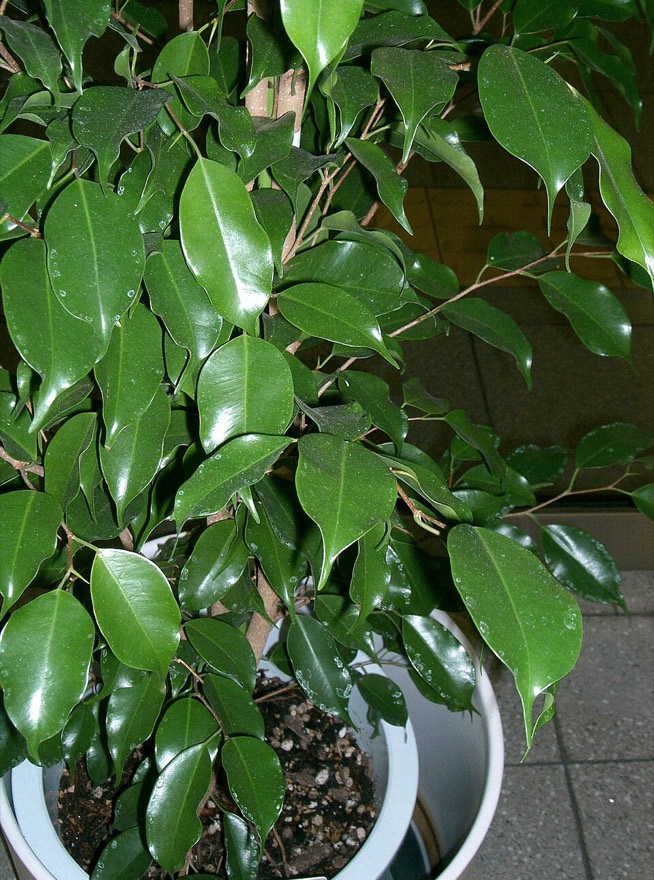
Ficus benjamina
#21 of the top 100
How to care
Ficus benjamina, commonly known as the weeping fig, is a popular houseplant known for its graceful, arching branches and glossy leaves. It thrives in bright, indirect light and prefers a stable environment without sudden changes in temperature or humidity. Avoid placing it in drafty areas or near heating vents. Consistent care is key, as it can be sensitive to changes, which may cause leaf drop.

Light Preference
 Part Shade
 Full Sun
Size
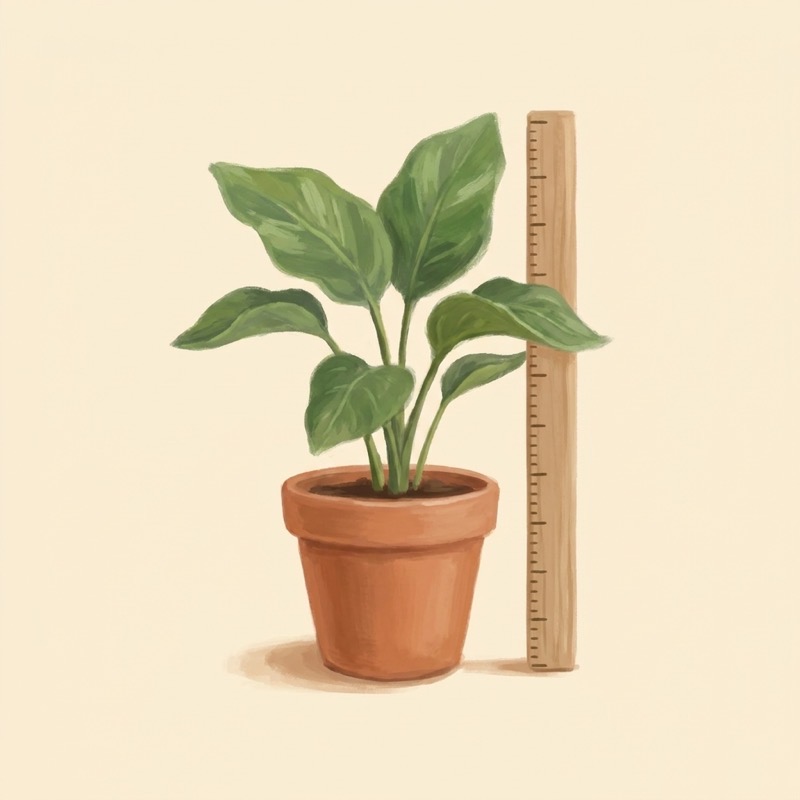
- Height
- 2.5 m – 4 m
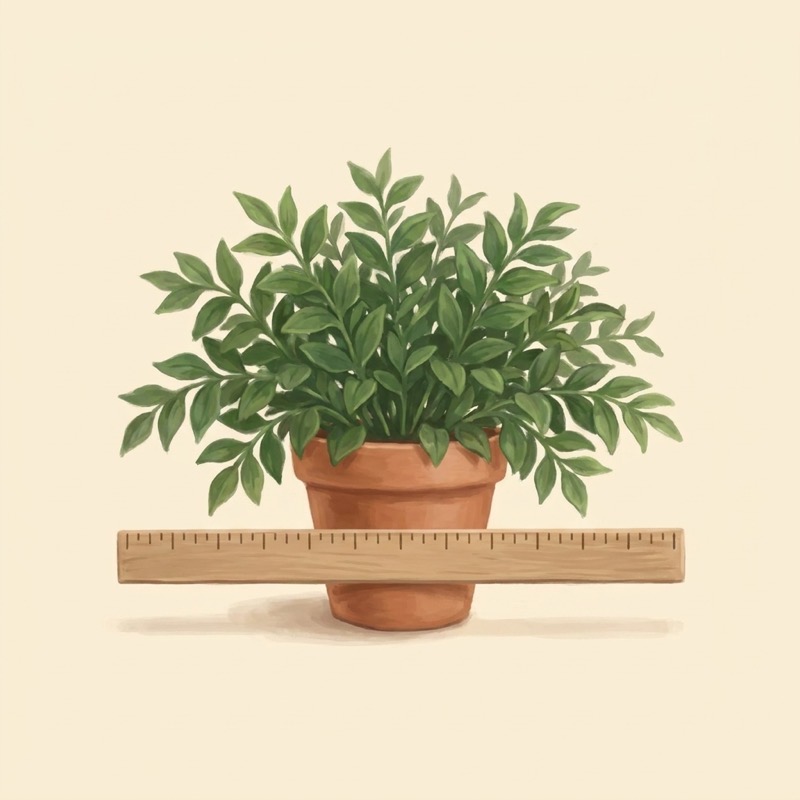
- Spread
- 1.5 m – 2.5 m
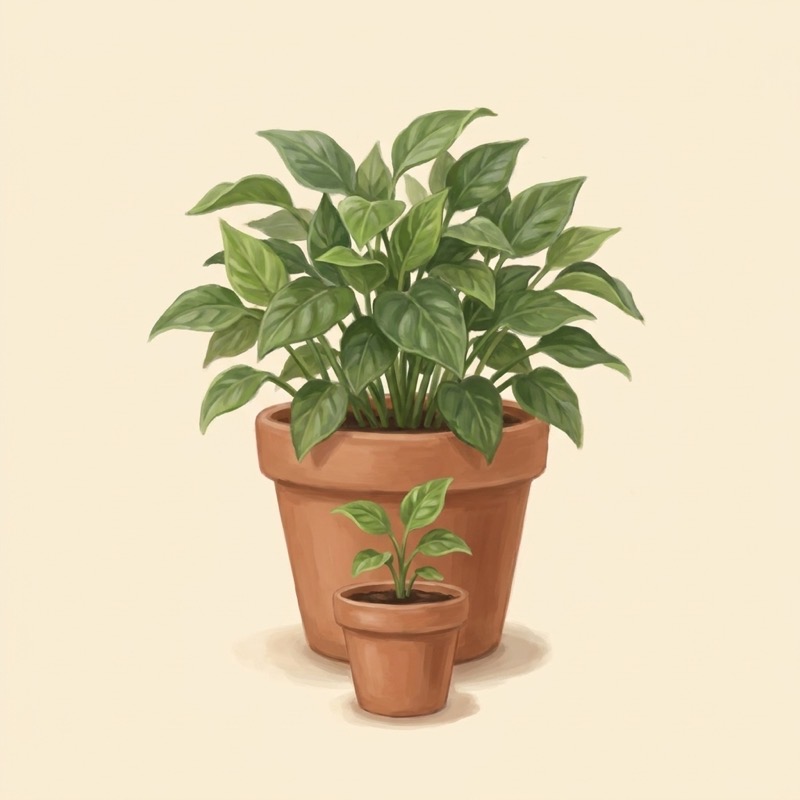
- Years
- 10 – 20
Preferred soil
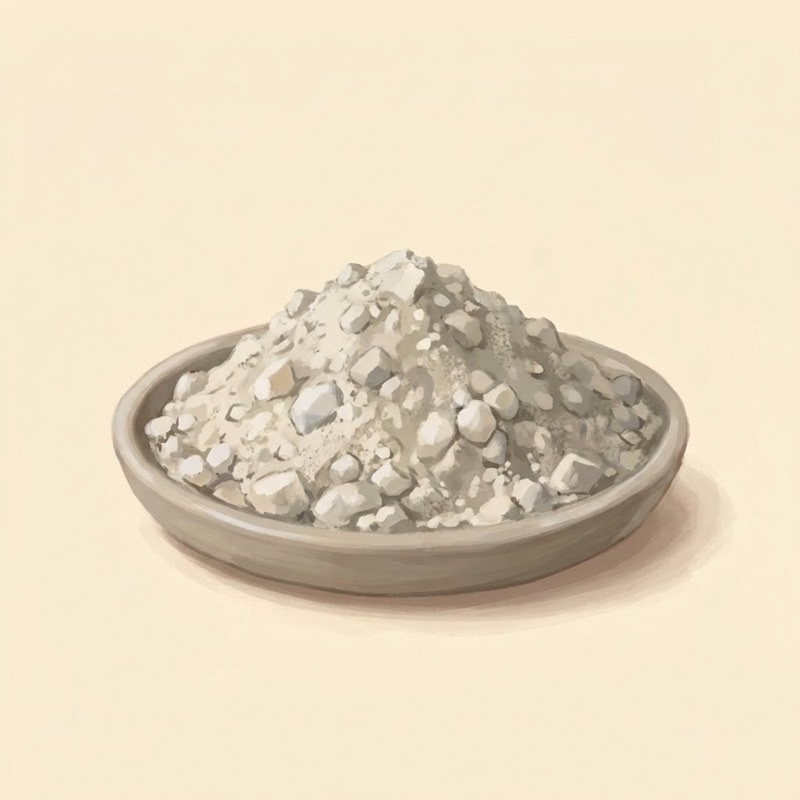 Chalk
Chalk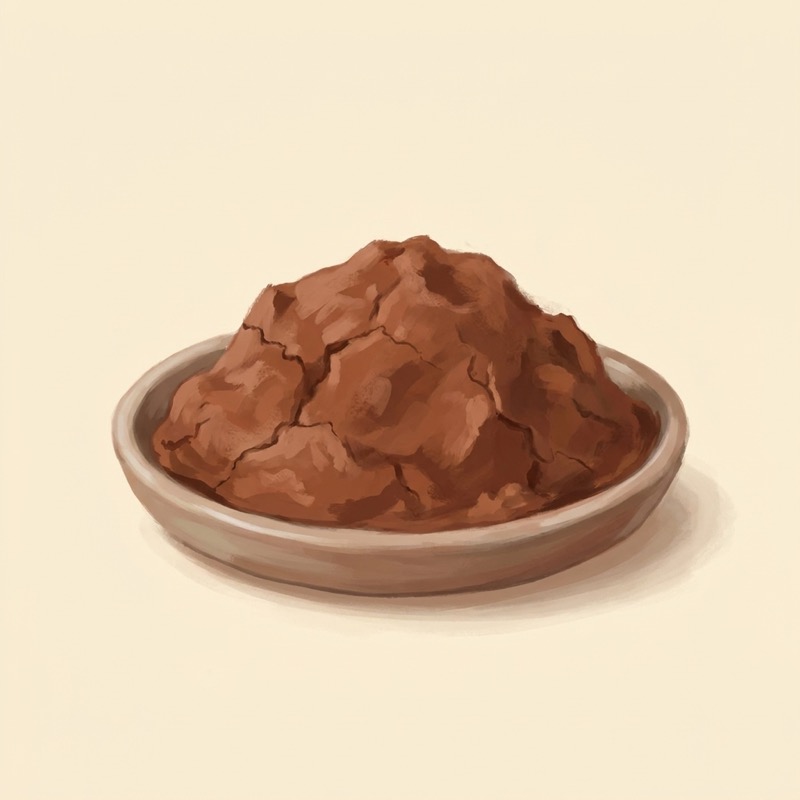 Clay
Clay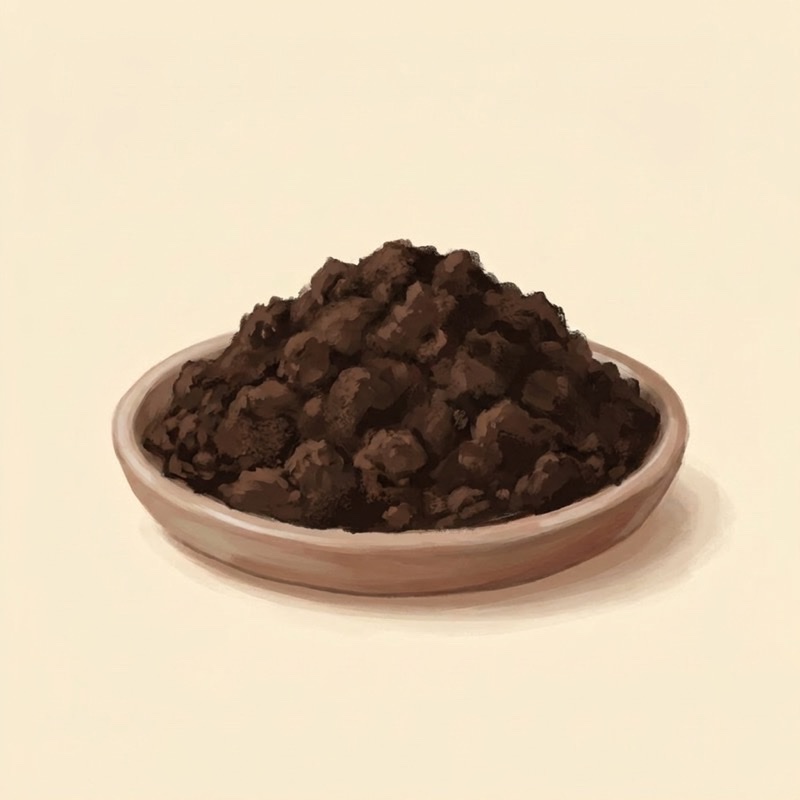 Loam
Loam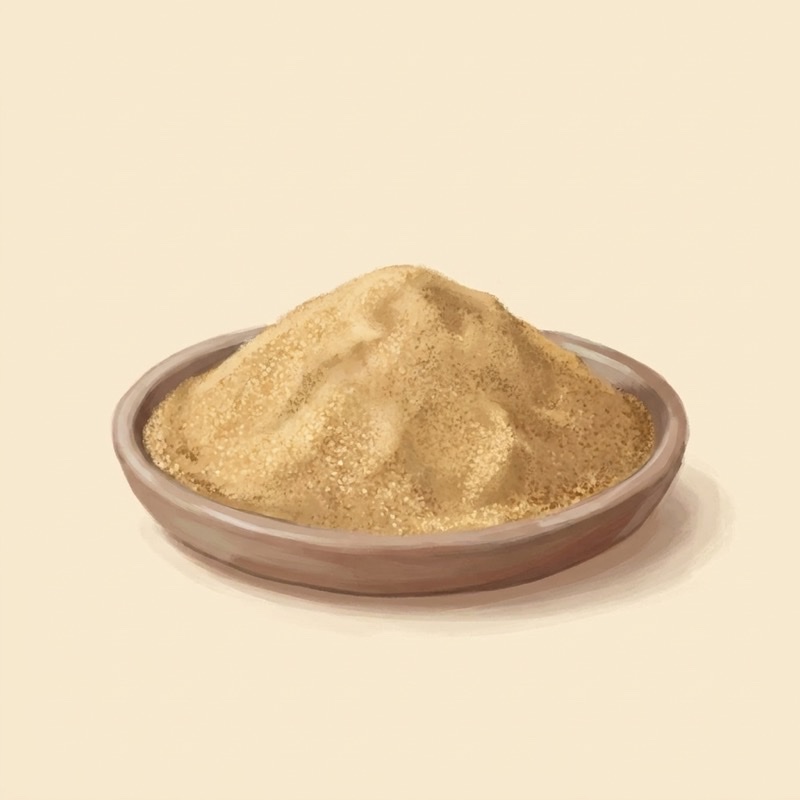 Sand
Sand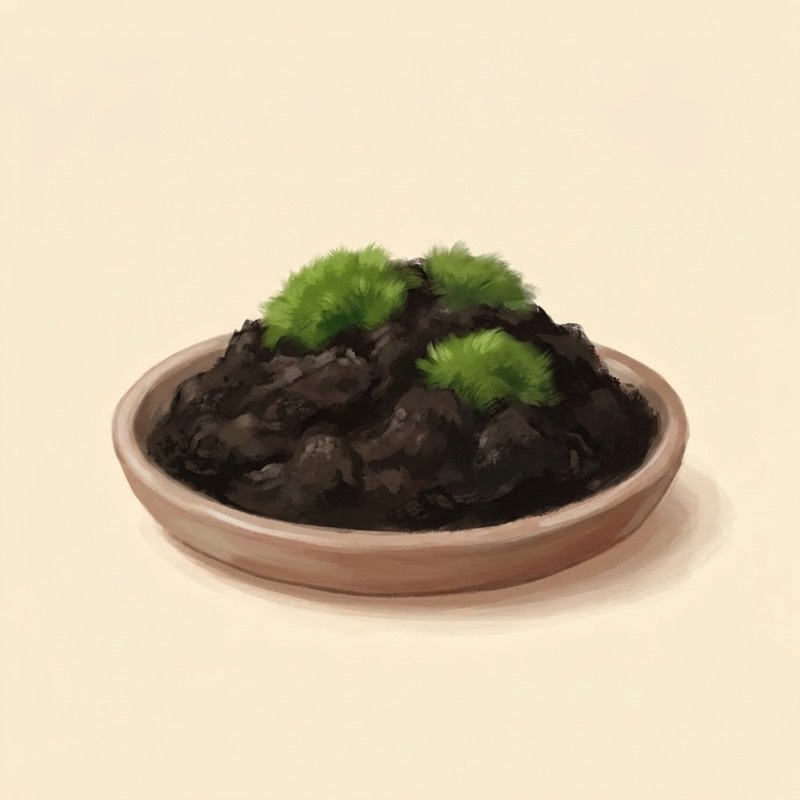 Acidic
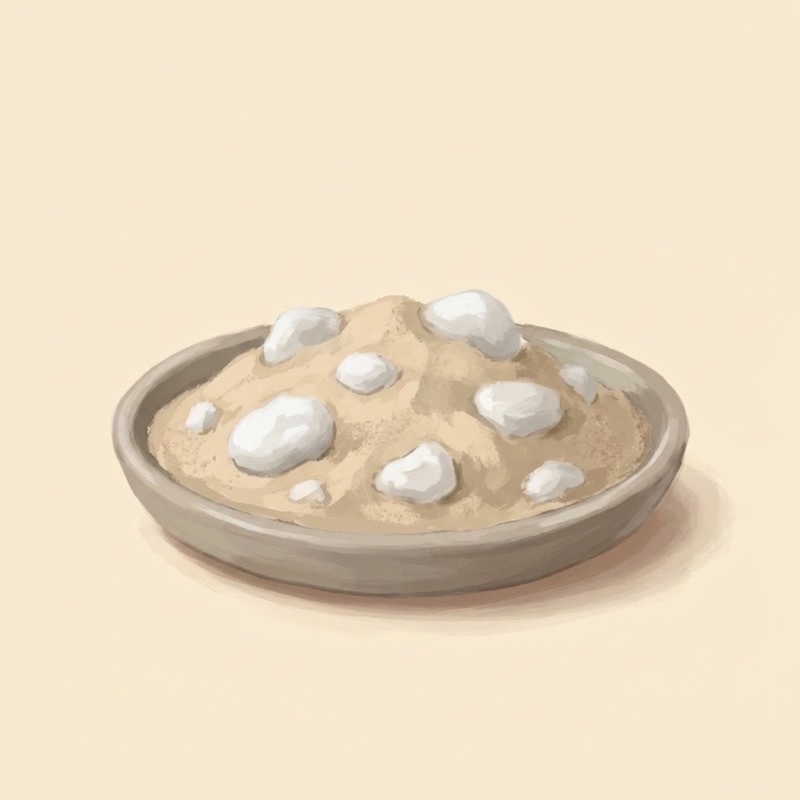 Alkaline
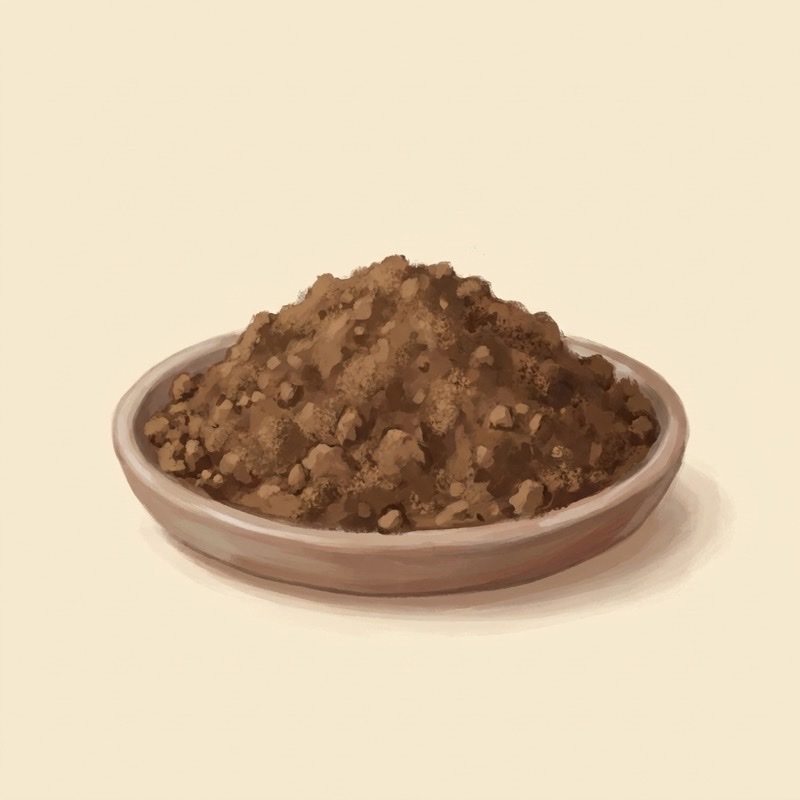 Neutral
Propagation
 Cutting
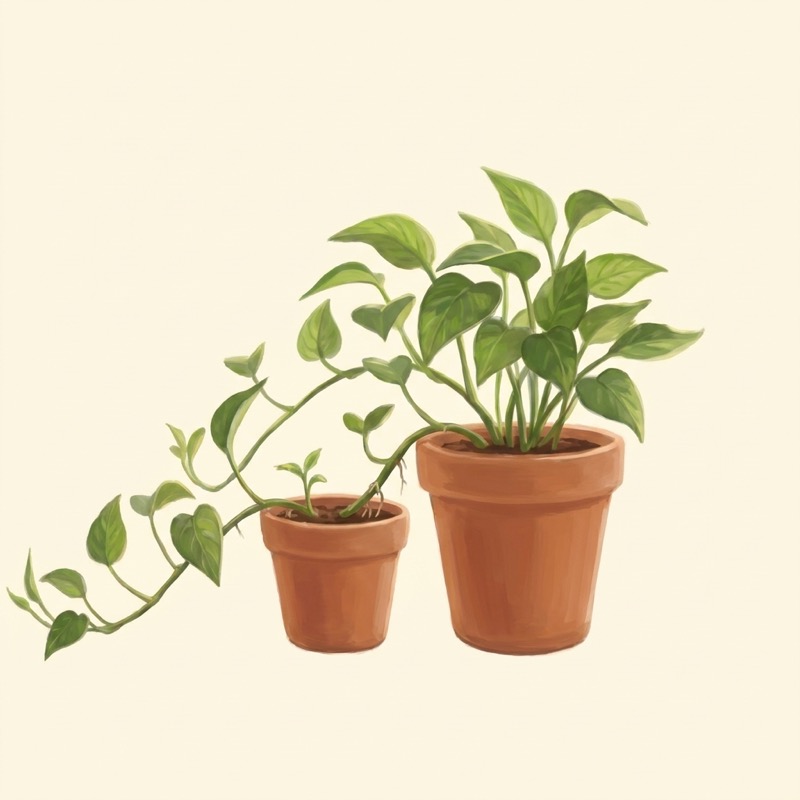 Layering
Life Cycle
Perennial
Lives for more than two years.
Hardiness Zone
10a
-1.1°C – 1.7°C
Leaves
- Evergreen
- Green
Flowers
- Inconspicuous
- Green
Toxic to
- LeafCatsModerate · Ingestion
- LeafDogsModerate · Ingestion
- LeafHumansMild · Ingestion
- LeafHumansMild · Skin contact
Informational only — not veterinary or medical advice. Missing data does not mean a plant is safe.
Edible parts
The fruit of the weeping fig is edible, although the species is not typically cultivated for its fruit. Figs are often consumed dried, which enhances their sweetness and flavor.
Informational only — not a guarantee that a part is safe to eat. Missing data does not mean a plant is inedible.
Other names
- Benjamin fig
- Ficus tree
Taxonomy
- Order
- Rosales
- Family
- Moraceae
- Genus
- Ficus