Spider plant
Chlorophytum comosum
#3 of the top 100
How to care
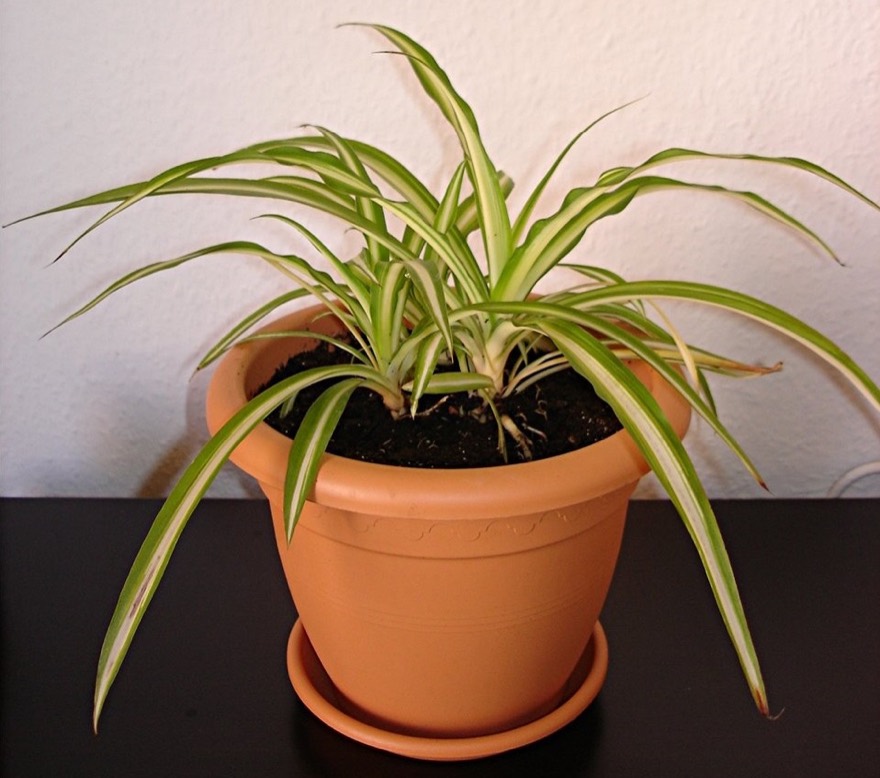
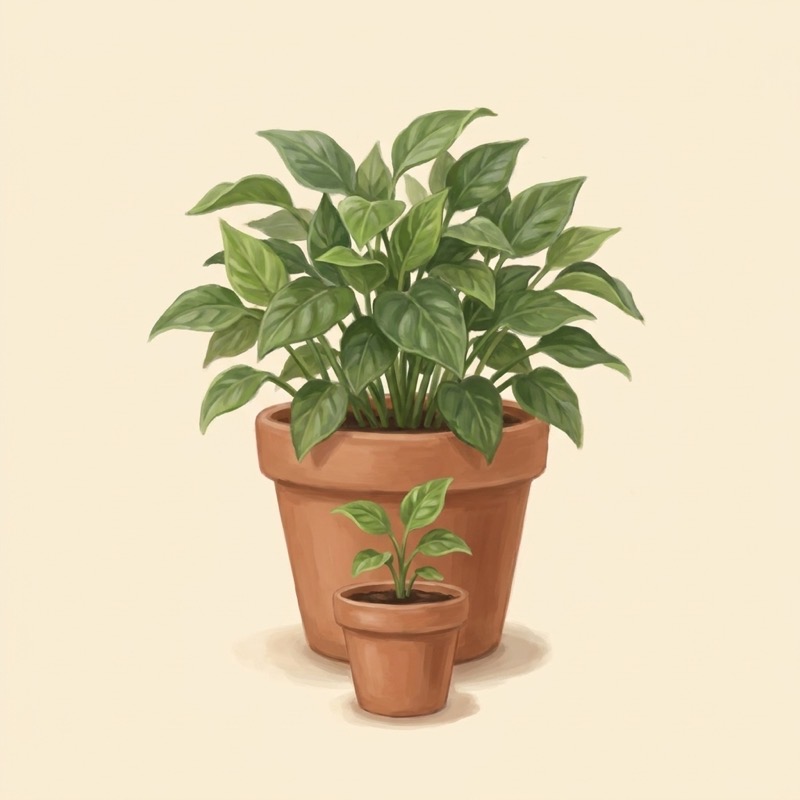
Chlorophytum comosum, commonly known as the spider plant, is a popular houseplant known for its ease of care and air-purifying qualities. It features long, arching leaves that are often variegated with white stripes. Spider plants thrive in a variety of indoor conditions and are well-suited for beginners. They prefer bright, indirect light but can tolerate lower light levels.
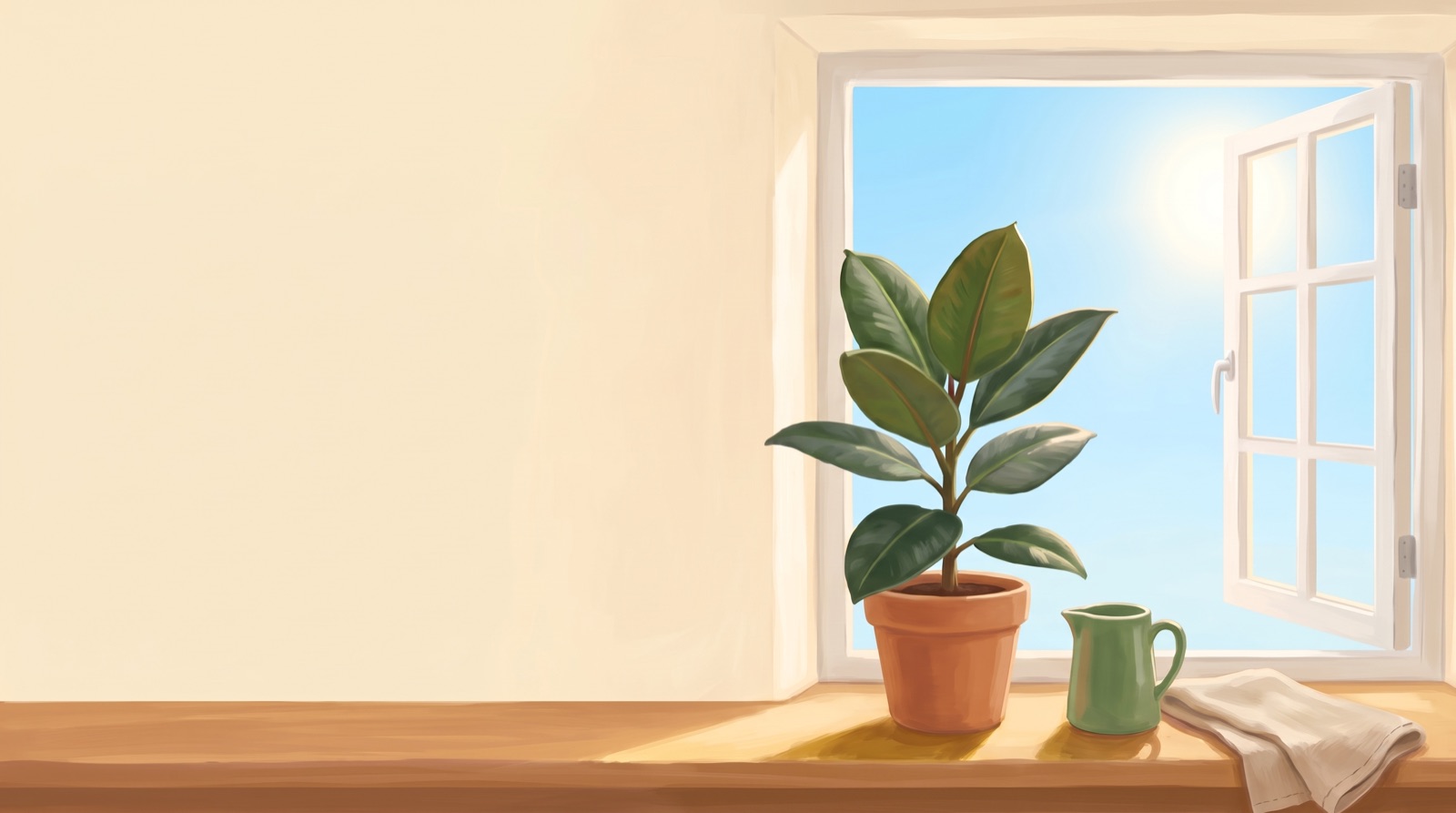
Light Preference
 Part Shade
 Full Shade
 Full Sun
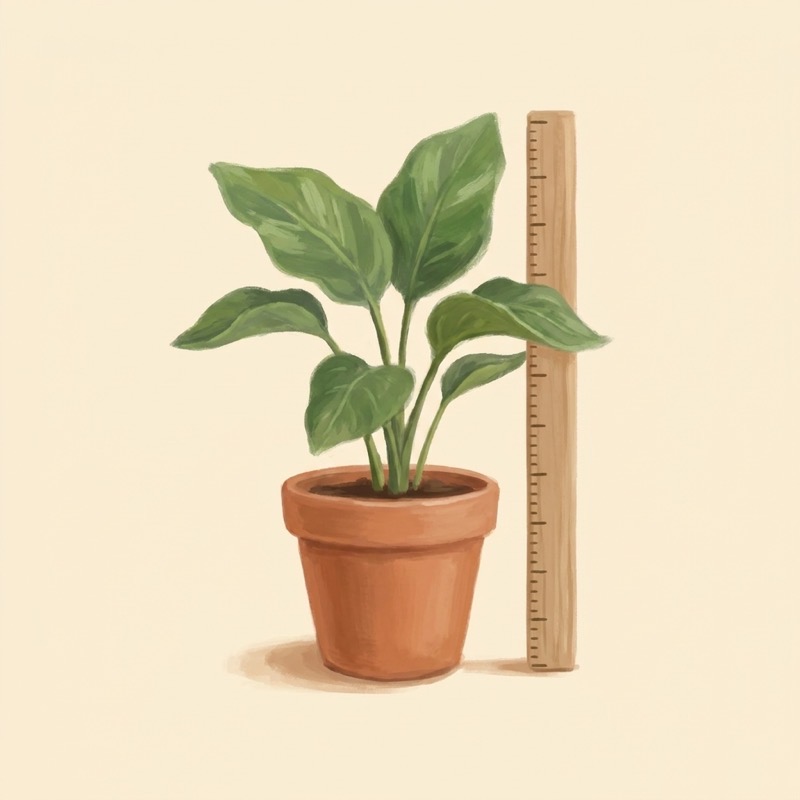
Size
- Height
- 0.1 m – 0.5 m
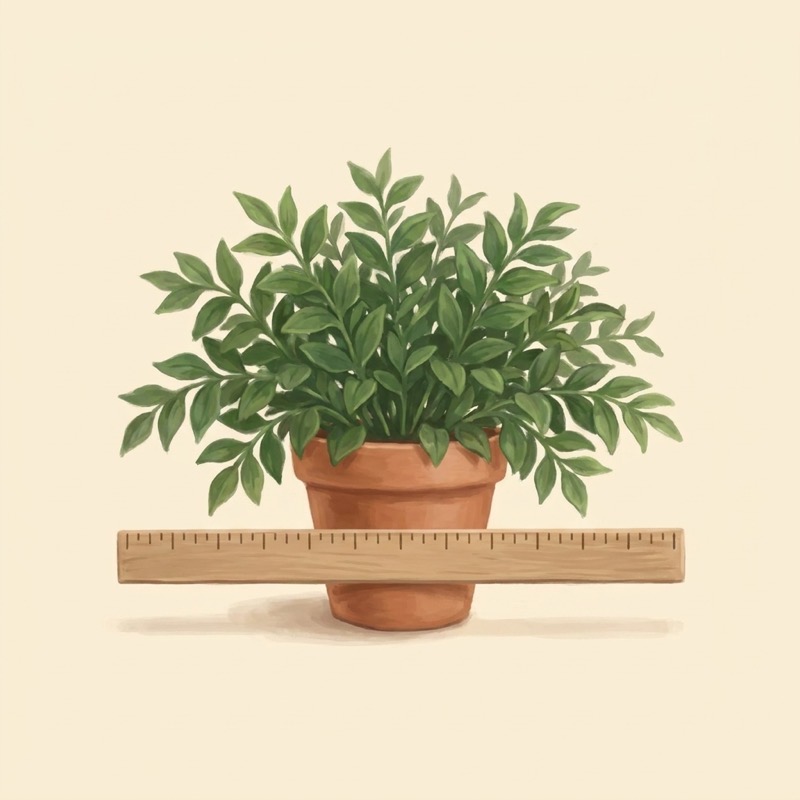
- Spread
- 0.1 m – 0.5 m
- Years
- 5 – 10
Preferred soil
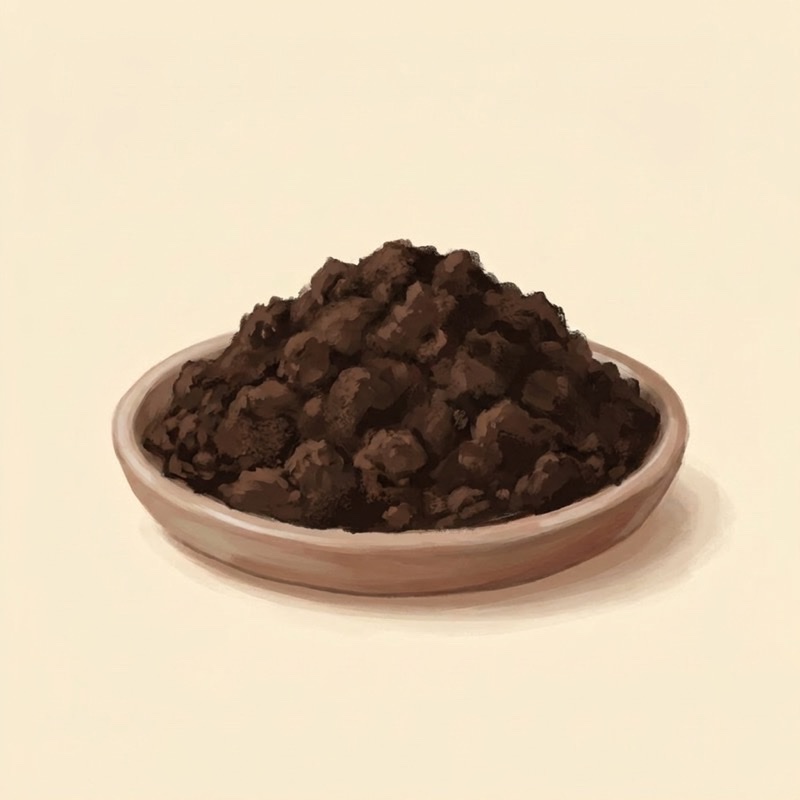 Loam
Loam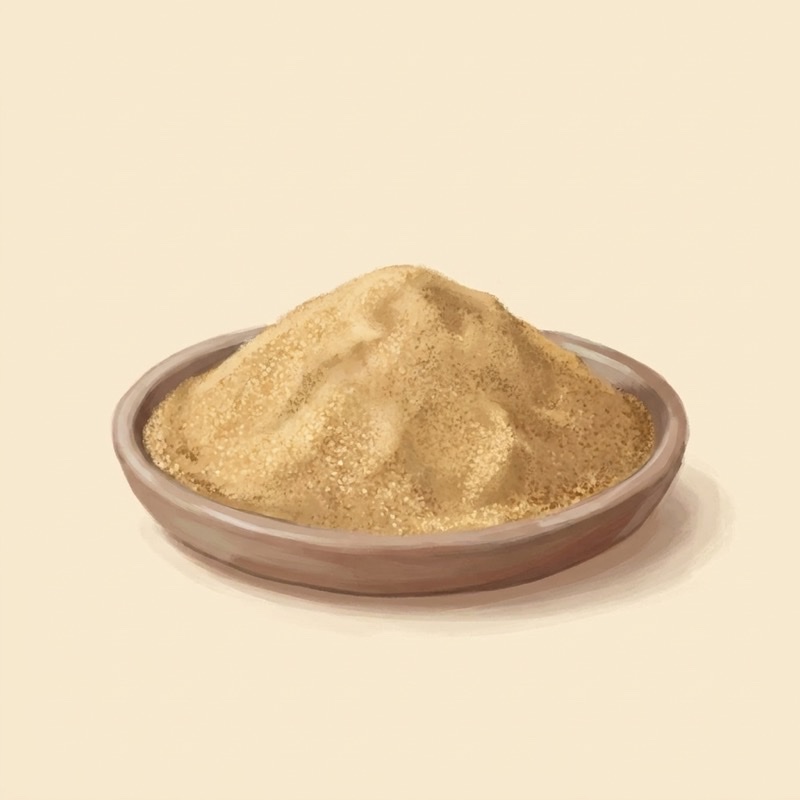 Sand
Sand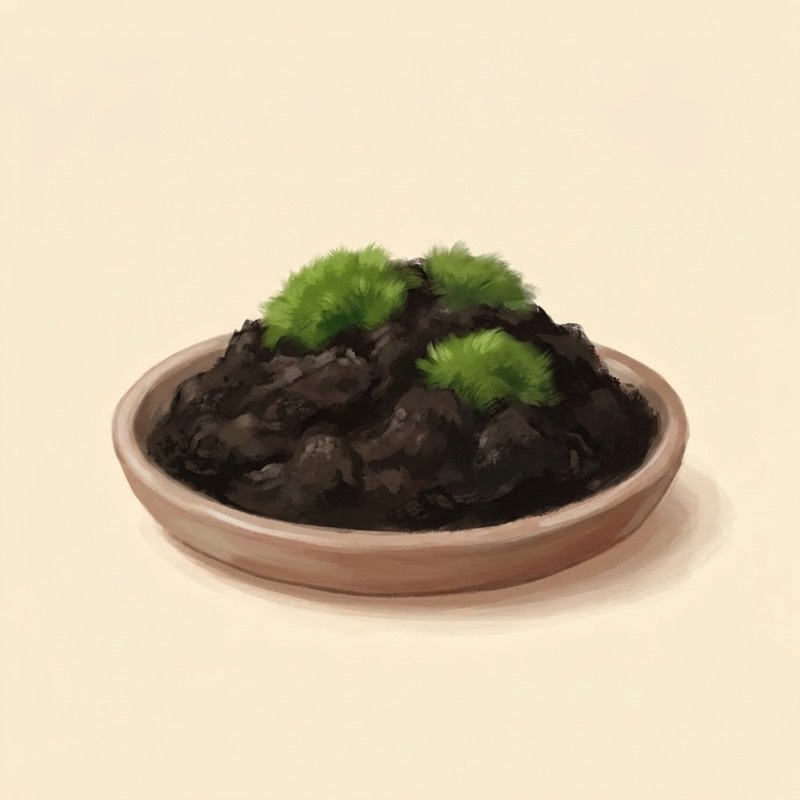 Acidic
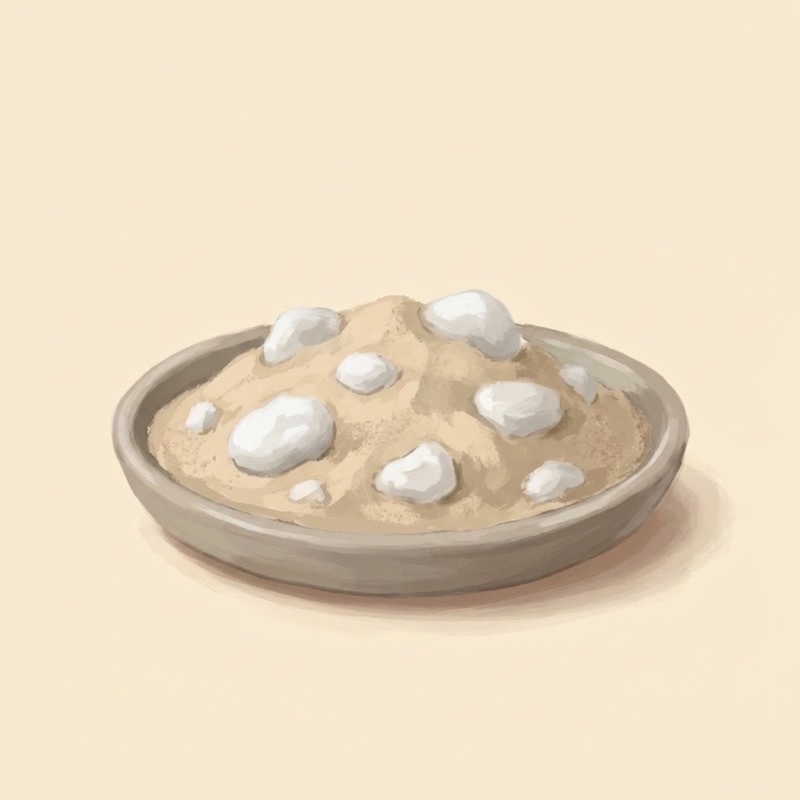 Alkaline
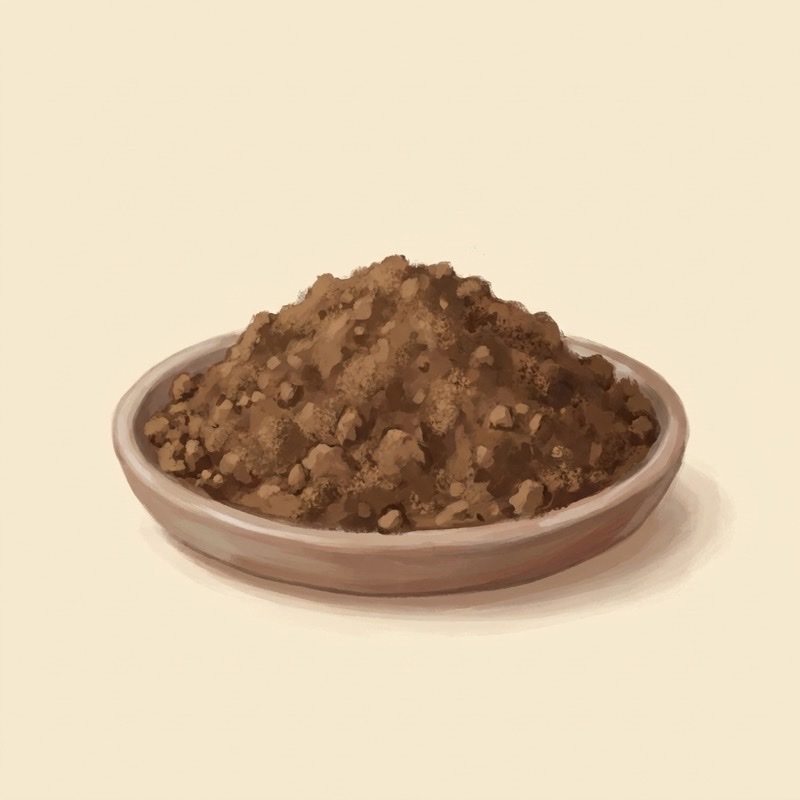 Neutral
Propagation
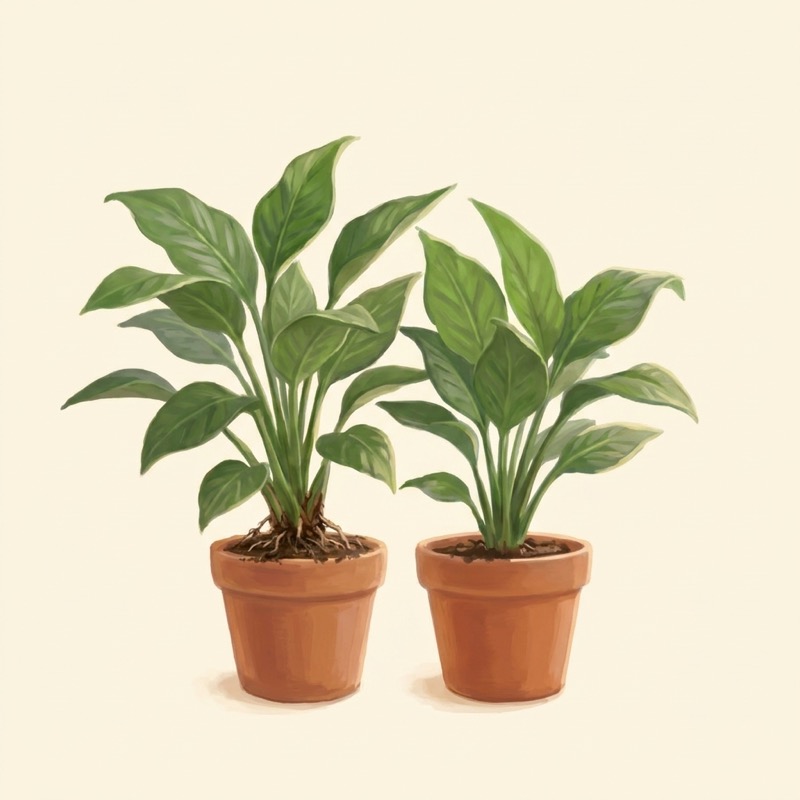 Division
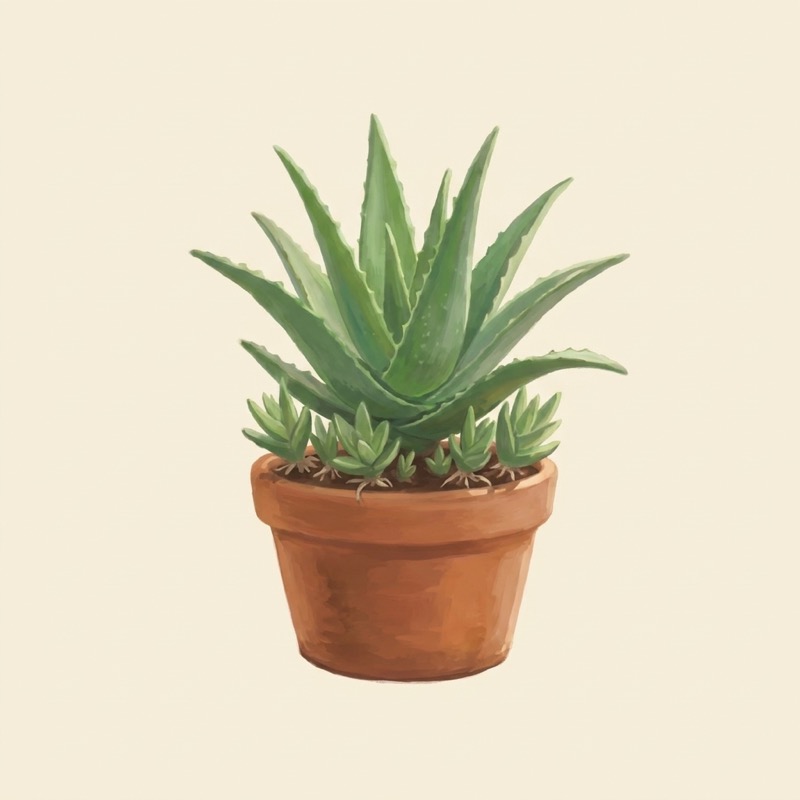 Offsets
Life Cycle
Perennial
Lives for more than two years.
Hardiness Zone
8b
-9.4°C – -6.7°C
Leaves
- Evergreen
- Green
- Unusual Foliage Color
Flowers
- Inconspicuous
- White
Edible parts
The tuberous roots of the spider plant are reportedly edible. In its native South Africa, the Nguni people have been known to consume these roots, although they are said to have mild laxative effects.
Informational only — not a guarantee that a part is safe to eat. Missing data does not mean a plant is inedible.
Other names
- Green spider plant
- Ribbon plant
- Spider ivy
Botanical Synonyms
- Chlorophytum capense
Taxonomy
- Order
- Asparagales
- Family
- Asparagaceae
- Genus
- Chlorophytum